Oil climbs above $100 as Red Sea and Gulf supply risks intensify
Brent crude rose above $100 a barrel on 23 July 2026 for the first time in two months as renewed Middle East fighting and reported Houthi attacks on Saudi tankers raised fears of deeper supply disruption.
In short
- Brent crude rose above $100 a barrel on 23 July 2026 for the first time in two months as renewed Middle East fighting and reported Houthi attacks on Saudi tankers raised fears of deeper supply disruption.
Brent crude climbed above $100 a barrel on Thursday, 23 July 2026, returning to triple digits for the first time in two months as renewed conflict in the Middle East increased concern about global oil supplies.
The rise followed a move to about $95 a barrel a day earlier. Market concerns centre on two major export routes: the Red Sea, where Yemen’s Houthi movement has threatened Saudi shipping, and the Strait of Hormuz, where renewed fighting involving the United States and Iran has disrupted Gulf trade.
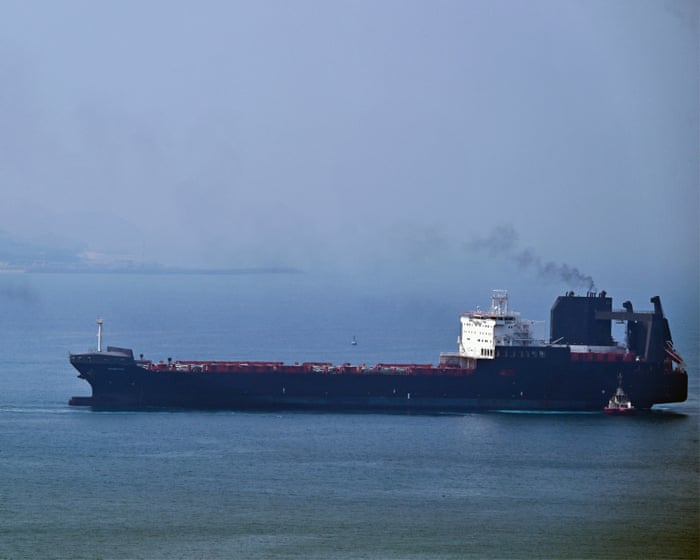
The Houthis said on Thursday that they had attacked two Saudi oil tankers, the Encelia and the Layla, with missiles and drones after accusing their crews of violating a naval blockade. The group claimed one vessel was left on fire. Those claims were not independently verified in the source report.
Oil prices have been volatile throughout the conflict. Brent moved above $100 in March after US and Israeli strikes on Iran sharply constrained Gulf fossil-fuel exports, peaked at $126 in April, and then fell below $100 in late May. It reached about $71 at the start of July amid expectations of a ceasefire before rising again as diplomacy faltered and hostilities resumed.
A sustained increase in crude prices could raise transport and import costs in oil-dependent economies, including across Africa, though the scale of any impact will depend on how long shipping disruption and regional fighting continue.