UK chancellor warns retailers against profiteering as Iran war lifts costs
Chancellor John Healey said ministers were monitoring food and fuel pricing as the Iran war adds to inflation pressures, while a new EY outlook warned that a prolonged Strait of Hormuz closure could push the UK economy into contraction in 2027.
In short
- Chancellor John Healey said ministers were monitoring food and fuel pricing as the Iran war adds to inflation pressures, while a new EY outlook warned that a prolonged Strait of Hormuz closure could push the UK economy into contraction in 2027.
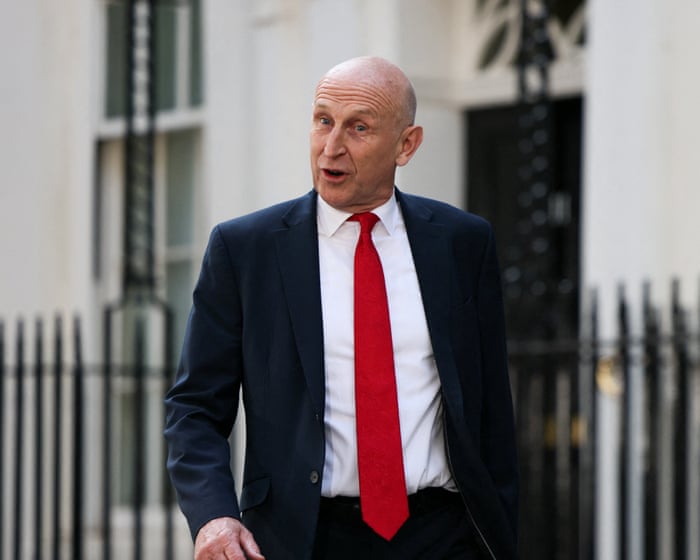
UK Chancellor John Healey has warned major food and fuel retailers that the government is monitoring prices as the Iran war raises costs for households and businesses.
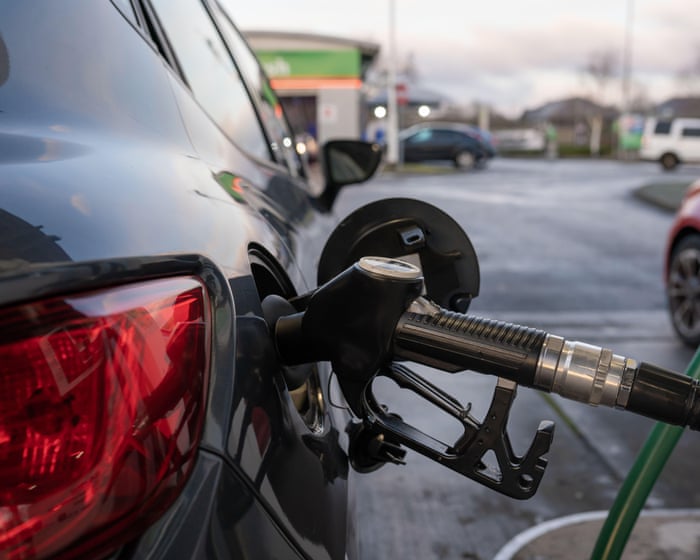
Healey said in a weekend column published on August 2, 2026, that ministers had not found significant evidence of price gouging during the crisis. He nevertheless said the government was prepared to act if shoppers were unfairly charged at petrol stations or supermarket checkouts.
The warning comes as higher energy costs revive pressure on household budgets. The Bank of England kept interest rates unchanged in the week before Healey’s comments and said a further escalation of the conflict could lift inflation above 4 percent in 2027.
An economic outlook from EY also set out sharply different scenarios depending on how long the Strait of Hormuz remains closed. If the waterway stays shut into early or mid-2027, EY projected UK gross domestic product growth of 0.5 percent in 2026 followed by a 0.2 percent contraction in 2027. Its base case, assuming the strait reopens by the end of the third quarter of 2026, forecast growth of 0.9 percent this year and 1.2 percent next year.
The Strait of Hormuz normally carries about one-fifth of global oil and gas supplies, making disruption there a major risk for energy prices and inflation.
Retail representatives pushed back against the government’s emphasis. The British Retail Consortium argued that ministers should examine the inflationary effects of higher employer national insurance contributions and business rates. It said competition among supermarkets had helped restrain food prices.
The exchange signals renewed tension between the government and large retailers over how to protect consumers without imposing price controls as the Middle East conflict continues to affect energy markets.