US economic growth slows to 1.5% as inflation remains above Fed target
U.S. GDP growth slowed to an annualised 1.5% in the second quarter of 2026, while the Federal Reserve’s preferred inflation measure remained above its 2% target.
In short
- U.S.
- GDP growth slowed to an annualised 1.5% in the second quarter of 2026, while the Federal Reserve’s preferred inflation measure remained above its 2% target.
The United States economy expanded at an annualised rate of 1.5% in the second quarter of 2026, slowing from 2.1% in the first three months of the year, according to an initial Commerce Department estimate released on Thursday, July 30.
The reading, which covers economic activity from April through June, came in below economists’ expectations. Rising imports weighed on overall growth, while consumer spending continued to increase.
A separate Commerce Department measure showed inflation remained above the Federal Reserve’s target. The personal consumption expenditures price index rose 3.7% in June from a year earlier, easing from a 4.1% annual increase in May. Core PCE inflation, which excludes food and energy, was 3.3% year on year, compared with 3.4% in May.
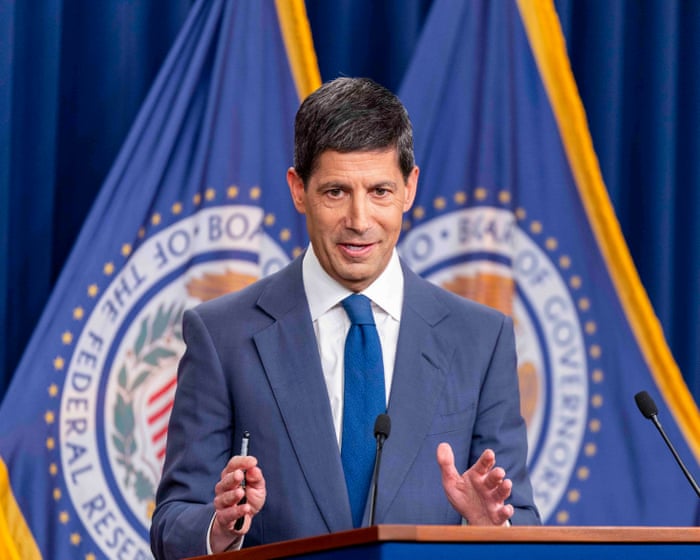
The figures arrived a day after the Federal Reserve left its benchmark interest rate unchanged for a fifth consecutive meeting. Three regional Fed presidents dissented in favour of a rate increase, reflecting continued concern about inflation running above the central bank’s 2% target.
The labour market has strengthened compared with 2025, supporting household spending, but the combination of slower output growth and persistent inflation complicates the outlook for policymakers. Employers have added an average of about 92,000 jobs a month so far in 2026, according to figures cited in the source report.
Thursday’s GDP number is the first of three official estimates and may be revised as more complete data become available.