US imposes new 10% to 12.5% tariffs on more than 80 trading partners
The Trump administration announced a new tariff regime covering more than 80 countries, replacing a temporary 10% global duty as fresh questions emerge over the legal authority for the levies.
In short
- The Trump administration announced a new tariff regime covering more than 80 countries, replacing a temporary 10% global duty as fresh questions emerge over the legal authority for the levies.
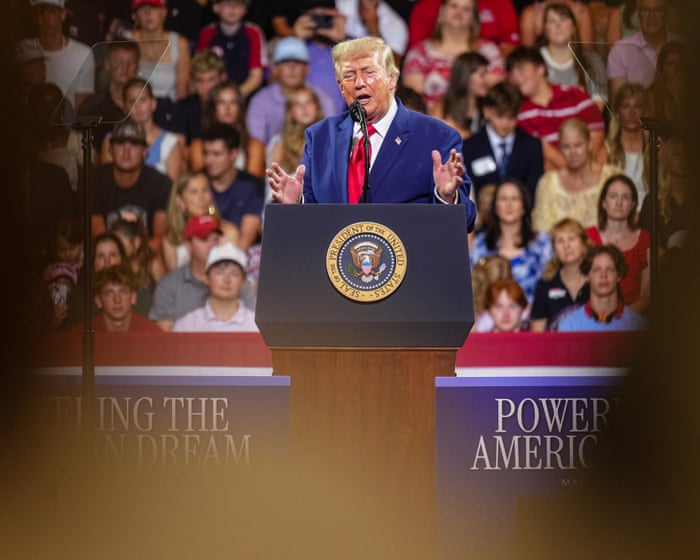
The United States has announced tariffs of 10% to 12.5% on imports from more than 80 trading partners, including the United Kingdom, Mexico, Canada, Australia, India, China and the European Union’s 27 member states.
The measures were announced late Thursday, July 23, 2026, by US Trade Representative Jamieson Greer. They replace a temporary 10% global tariff that was due to expire just after midnight on Friday, July 24.
The administration said the new duties would be imposed under Section 301 of the Trade Act of 1974, citing concerns about forced labour practices. Greer said the action was intended to address both human-rights abuses and trade distortions, while encouraging trading partners to strengthen their own prohibitions on goods made with forced labour.
The legal basis is likely to face scrutiny. In February 2026, the US Supreme Court ruled 6-3 that the president could not use emergency economic powers to impose peacetime tariffs on the scale attempted by the administration, reaffirming Congress’s constitutional authority over taxation. The administration then introduced a separate 10% tariff programme under a law that limited those duties to 150 days.
Trade specialists quoted by The Guardian questioned whether Section 301 authorises tariffs this broad. Alan Wolff, a former deputy director-general of the World Trade Organization, argued that Congress had not delegated such sweeping tariff-setting power to the president and said another court challenge was likely.
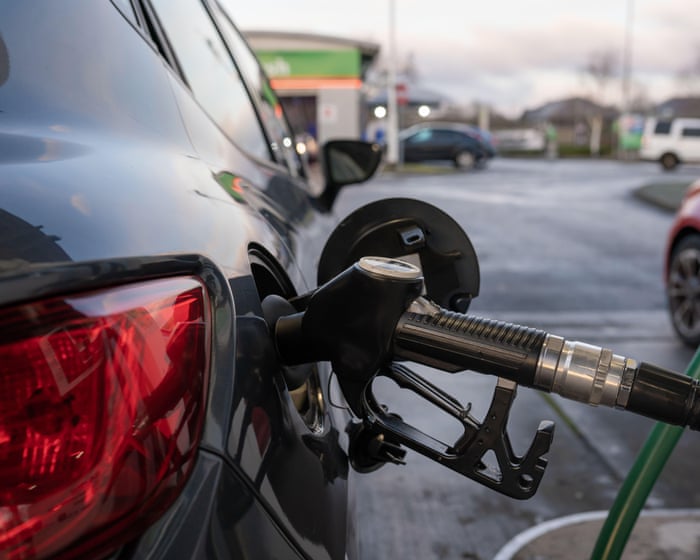
Tariffs are taxes collected on imported goods. Their costs can be absorbed by exporters or importers, but they can also be passed on to consumers through higher prices. The new duties arrive as US households are already dealing with elevated energy costs and inflation linked partly to conflict in the Middle East.
The administration maintains that tariffs protect American jobs and manufacturing and counter unfair trade practices. Critics say the policy risks raising prices and intensifying legal and commercial uncertainty for businesses trading with the United States.