
Canada’s Liberals sweep three special elections, strengthening Carney’s hand
Canada’s governing Liberal Party won three September 1 special elections, including a Conservative-held Quebec district, increasing its House of Commons representation to 173 seats amid a widening trade dispute with the United States.
In short
- Canada’s governing Liberal Party won three September 1 special elections, including a Conservative-held Quebec district, increasing its House of Commons representation to 173 seats amid a widening trade dispute with the United States.
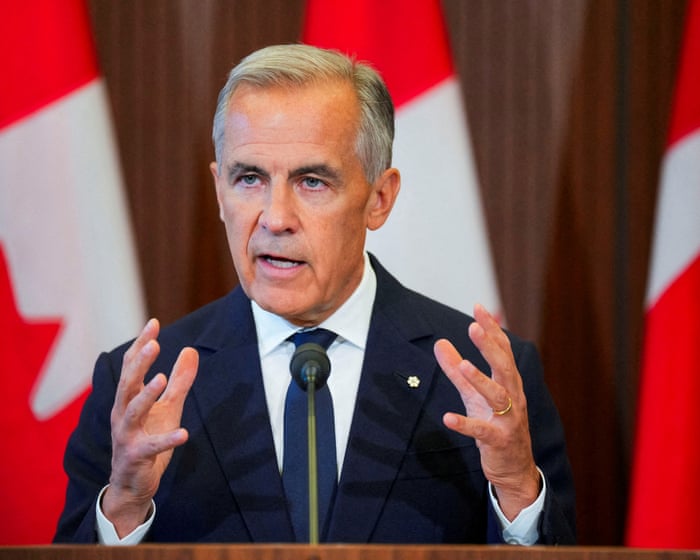
Canada’s governing Liberal Party swept three special elections on September 1, 2026, giving Prime Minister Mark Carney a political boost as his government confronts an escalating trade dispute with the United States.
The Canadian Press projected Liberal victories in Chicoutimi—Le Fjord in Quebec, Beaches—East York in Toronto and North Vancouver—Capilano in British Columbia. The Toronto and British Columbia districts had previously been held by Liberals, while the Quebec result represented a gain from the opposition Conservatives.
Daniel Gobeil was projected to win Chicoutimi—Le Fjord, a district that includes aluminium producers, dairy farms and other industries exposed to the Canada-US trade conflict. The Liberals’ three victories would bring the party to 173 seats in the 343-seat House of Commons, strengthening its position without giving it an outright majority.
Carney described the results as support for his government’s approach at what he called a consequential moment for Canada. The votes followed the collapse of bilateral trade talks on August 21. The United States subsequently imposed 50 percent tariffs on about $20 billion of Canadian goods, while Ottawa announced plans for retaliatory tariffs on US products.
The Quebec result was the sharpest shift. The Conservatives, who received about 41 percent of the vote in the district during the previous federal election, were reported to have fallen to about 13 percent and third place in the special election. Political scientist Daniel Béland of McGill University told the Guardian that the outcome likely reflected, in part, support in Quebec for Carney’s decision to end the latest trade negotiations with Washington.
The special elections were held after the previous members representing the three districts resigned earlier in 2026. Carney has sought to reduce Canada’s economic dependence on the United States by expanding ties with Europe and other partners.