
Chinese chip advances trigger sharp swings in global AI-linked stocks
Reports of Chinese progress in memory chips and lithography sent semiconductor shares sharply lower before strong Amazon and Microsoft results helped markets rebound.
In short
- Reports of Chinese progress in memory chips and lithography sent semiconductor shares sharply lower before strong Amazon and Microsoft results helped markets rebound.
Global technology shares swung sharply during the week ending July 31, 2026, as investors assessed whether new Chinese semiconductor capabilities could weaken the market position of leading Western chipmakers.
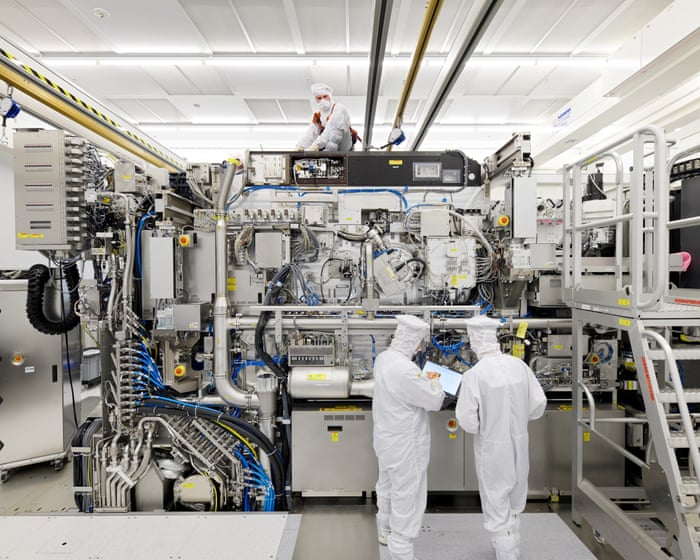
Chinese memory-chip producer CXMT surged 466 percent in its Shanghai market debut to a valuation of 3.3 trillion yuan. Separate reports said China had developed domestic equipment for deep-ultraviolet lithography, a chipmaking technique in which Dutch manufacturer ASML has held a dominant position.
The developments contributed to a global sell-off in AI-linked companies. South Korea's Kospi index fell 11.5 percent on Tuesday and another 6 percent on Wednesday, with Samsung Electronics and SK Hynix among the major decliners. The Nasdaq briefly entered correction territory on Thursday after falling more than 10 percent from its recent high, while Nvidia lost more than 5 percent by that evening.
Markets rebounded on Friday after strong financial results from Amazon and Microsoft eased some investor concerns. The Kospi gained nearly 20 percent, although its monthly performance remained its weakest since October 2008.
Analysts distinguished between the immediate and longer-term implications. CXMT makes dynamic random-access memory, which complements rather than replaces the graphics processors that power many AI systems. Continued global memory shortages could also limit the competitive damage to existing suppliers.
Domestic Chinese lithography equipment could have broader strategic consequences, but specialists said scaling reliable production and building fabrication plants would take years. The week's volatility nevertheless highlighted how heavily AI valuations depend on a small group of companies and on investment arrangements that remain difficult for markets to assess.