
England and Wales face widespread drought after exceptionally dry July
Half of England and all of Wales are officially in drought after repeated heatwaves and exceptionally low July rainfall strained rivers, farms and firefighting resources.
In short
- Half of England and all of Wales are officially in drought after repeated heatwaves and exceptionally low July rainfall strained rivers, farms and firefighting resources.
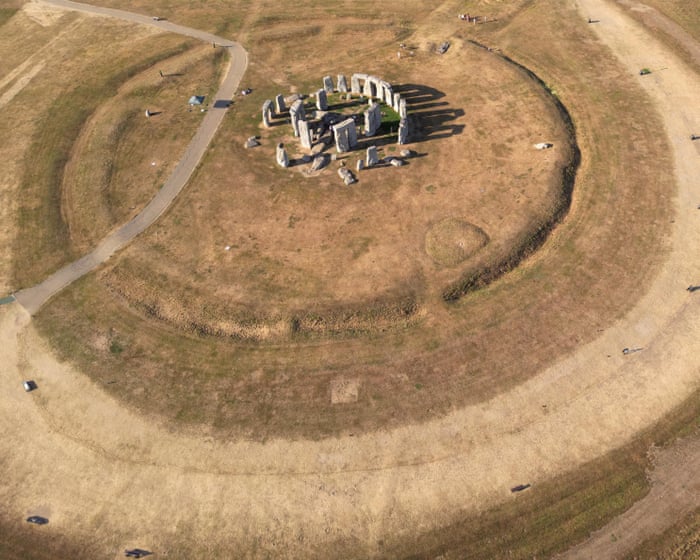
Half of England and the whole of Wales are officially in drought after repeated heatwaves and exceptionally low rainfall left rivers, farmland and public spaces under growing pressure.
England received only 7 percent of its long-term average rainfall in July, while southern England received 1 percent, according to figures cited in the source report. The River Thames at Reading fell to its lowest recorded level, and about 23 million people across England and Wales are subject to hosepipe restrictions.
The Environment Agency in England and Natural Resources Wales announced the drought conditions during the week ending August 2, 2026. They follow four record-breaking heatwaves since May and mark the third such drought episode in five years.
Water companies said drinking-water supplies were not currently expected to be threatened because heavy winter rainfall had kept reservoirs near normal seasonal levels. Conditions on farms, in waterways and across natural habitats are more severe, however.
Fire services responded to 393 wildfires across England and Wales during July, the busiest month on record, according to the report. Hundreds of people have been evacuated because of fire threats. Major incidents have included fires in Scotland’s Cairngorms National Park and the Rhinogydd mountains in north Wales.
Agricultural producers are harvesting some crops early and prioritising limited irrigation supplies. Riverford Organic Farmers in Devon said three of its four reservoirs had already run dry, an unusually early depletion that has forced difficult decisions over which crops to water.
The dry conditions have also exposed archaeological features normally hidden beneath vegetation or water, including Roman-era remains in Conwy and a historic bridge at a Welsh reservoir.
Climate scientists warned that the combination of wet winters followed by hot, dry summers can accelerate vegetation growth before turning it into fuel for wildfires. The UK Met Office projects that, by 2070, British summers could be 1 to 6 degrees Celsius hotter and up to 60 percent drier than the 1990 baseline.
Officials and researchers say longer-term planning will be required to improve water resilience, protect agriculture and prepare emergency services for more frequent compound heat and drought events.