Ethiopia urges national control of transitional justice at UN rights council
Ethiopia’s envoy told the UN Human Rights Council on 8 September 2026 that transitional justice should follow a nationally led process and urged support for the Pretoria peace agreement.
In short
- Ethiopia’s envoy told the UN Human Rights Council on 8 September 2026 that transitional justice should follow a nationally led process and urged support for the Pretoria peace agreement.
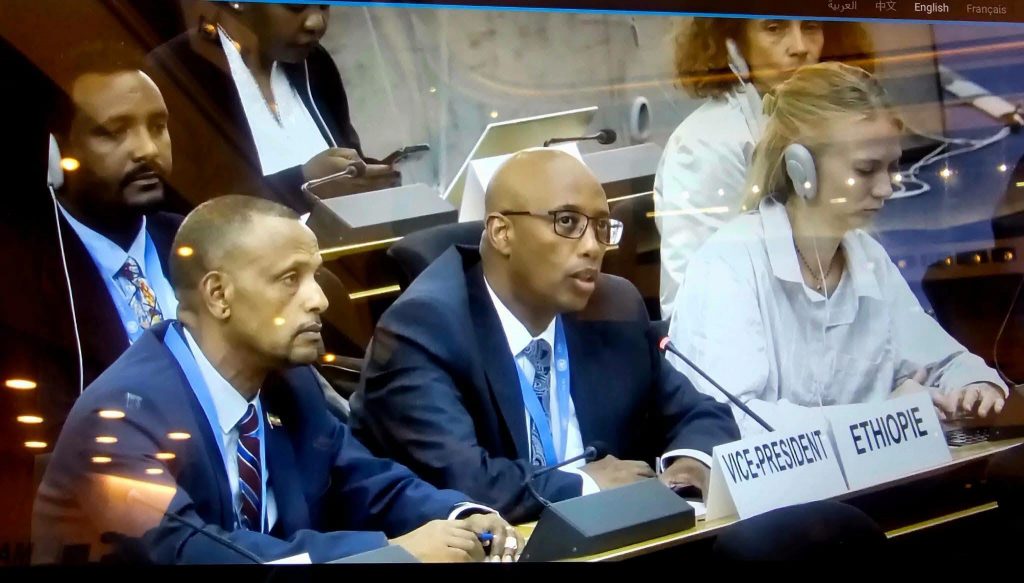
Ethiopia urged international partners on 8 September 2026 to support a nationally led transitional justice process, as its envoy defended the government’s reform approach before the United Nations Human Rights Council in Geneva.
Ambassador Tsegab Kebebew, Ethiopia’s permanent representative in Geneva, said cooperation on human rights should respect national ownership and sovereign equality. He rejected what he described as selective and politicised accounts of the country’s reforms, according to Ethiopian News Agency and the UN-hosted transcript of the meeting.
The intervention came during the general debate under agenda item two at the council’s 63rd session. Fana reported the government’s call for reforms grounded in Ethiopia’s circumstances.
Tsegab presented the June 2026 election and the national dialogue as achievements, saying the dialogue’s recommendations could support transitional justice. Those assessments were the government’s position; the statement did not constitute an independent evaluation of either process.
He also reaffirmed Ethiopia’s commitment to the cessation of hostilities agreement signed in Pretoria in November 2022. He asked international partners to defend the agreement and oppose actions by any party that could reverse progress toward peace.
The envoy said Ethiopia would continue dialogue and cooperation with the UN human rights office and other partners. His remarks set out the government’s diplomatic position on reform and accountability without announcing a new implementation timetable.