
Florida Loggerhead Nest Counts Reach Records at Two Monitored Coasts
Conservation groups in Florida have recorded new highs for loggerhead sea turtle nests at Juno Beach and Sanibel Island, while researchers caution that long-term recovery depends on continued habitat protections.
In short
- Conservation groups in Florida have recorded new highs for loggerhead sea turtle nests at Juno Beach and Sanibel Island, while researchers caution that long-term recovery depends on continued habitat protections.
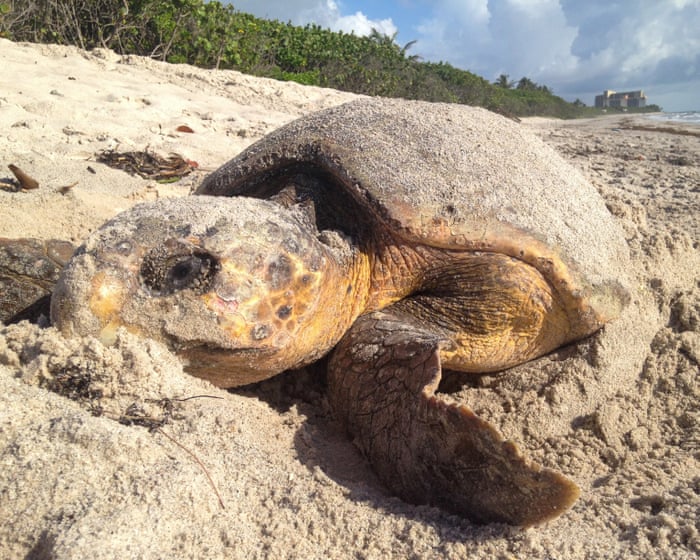
Loggerhead sea turtle nesting has reached record levels at two monitored stretches of Florida’s coast during the 2026 season, offering conservationists evidence of a decades-long recovery while the nesting period is still under way.
The Loggerhead Marinelife Center counted 13,770 nests along an 8.5-mile section of Juno Beach on Florida’s Atlantic coast, surpassing previous totals with more than two months left in the summer season. On Sanibel Island on the Gulf coast, the Sanibel-Captiva Conservation Foundation recorded 922 loggerhead nests, above the island’s previous high of 878 in 2023.
Researchers attribute the trend to years of species and habitat protections, favorable environmental conditions, lower pollution and public education. Because loggerheads can take decades to reach reproductive age, this year’s nesting adults reflect conservation work undertaken many years earlier.
Experts remain cautious about describing the species as fully recovered. Conservation advocates also warn that recent changes to the implementation of the US Endangered Species Act could weaken future habitat safeguards. Environmental groups are challenging some of those changes in court.
Florida state protections remain in force, and conservation programs continue to rescue turtles, improve habitat and reduce injuries from fishing gear. Scientists say repeated record seasons are encouraging, but sustained monitoring will be needed to determine whether the gains endure.