
Global study estimates 46% of farmers face acute pesticide poisoning each year
A study using data from 2006 to 2023 estimates 402 million to 433 million cases of acute pesticide poisoning among farmers each year, while warning that inconsistent reporting limits the precision of global totals.
In short
- A study using data from 2006 to 2023 estimates 402 million to 433 million cases of acute pesticide poisoning among farmers each year, while warning that inconsistent reporting limits the precision of global totals.
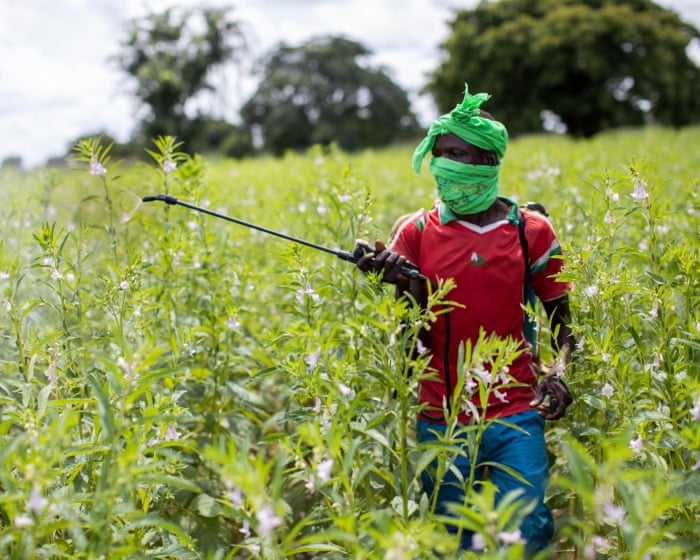
A global study estimates that about 46% of farmers and agricultural workers experience unintentional acute pesticide poisoning each year, highlighting a major occupational-health burden that researchers say remains poorly tracked.
The analysis, published on Wednesday, September 2, 2026, in Frontiers in Public Health, used publicly available data covering 2006 through 2023. It estimated 402 million to 433 million cases annually among a worldwide farming population of roughly 934 million. The research was commissioned by Pesticide Action Network.
Southern Asia recorded the largest estimated number of cases, followed by Southeast Asia and East Africa. Burkina Faso had the highest estimated national incidence, with nearly 84% of farmers and farm workers reported to have experienced poisoning. The study also estimated about 11,000 deaths a year, nearly 60% of them in India.
The researchers defined acute poisoning as illness or other health effects occurring soon after exposure. They did not include long-term effects or assess the impact on an estimated 84 million children working in agriculture, meaning the findings do not represent the full health burden associated with pesticides.
The study said pesticide use reached 3.8 million tonnes in 2023, about double the 1990 level. Its authors called for safer alternatives, a phaseout of highly hazardous pesticides and standardised surveillance so that national data can be compared more reliably.
The estimates should be read alongside the study’s acknowledged data limitations. Reporting systems for pesticide poisoning remain uneven, and the analysis combines information gathered across countries and years rather than providing a direct count of every case.