ICE plans up to $20 million purchase of electric-shock gloves
US Immigration and Customs Enforcement plans to spend up to $20 million on gloves that can administer electric shocks, according to a Department of Homeland Security notice published on August 10, 2026.
In short
- US Immigration and Customs Enforcement plans to spend up to $20 million on gloves that can administer electric shocks, according to a Department of Homeland Security notice published on August 10, 2026.
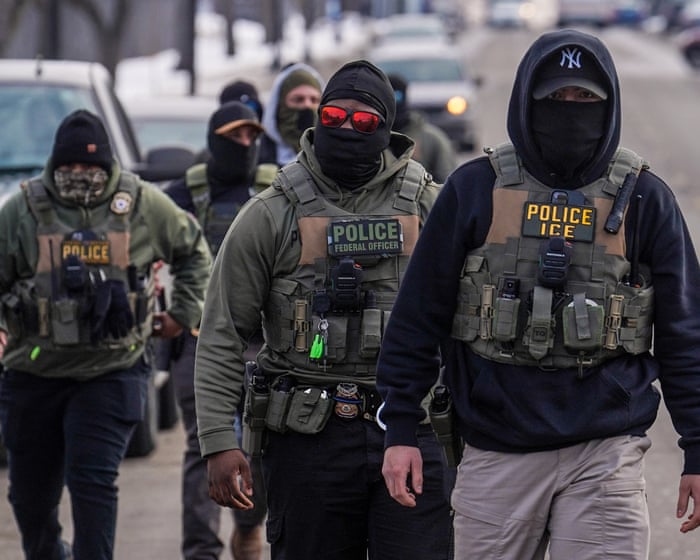
US Immigration and Customs Enforcement plans to spend as much as $20 million on gloves capable of administering painful electric shocks, according to a Department of Homeland Security notice published on August 10, 2026.
The procurement calls for thousands of the devices to be supplied by March. Known as GLOVE, for Generated Low Output Voltage Emitter, the equipment is made by Kentucky-based Compliant Technologies.
The manufacturer says the equipment functions as ordinary patrol gloves until an officer activates an electrical mode. It must make direct contact with a person’s skin to deliver the stimulus. The company describes the effect as a way to gain compliance within seconds and says it does not leave burns, marks or scars.
Civil-liberties advocates raised concerns about deploying the devices in civil immigration enforcement. Jenn Rolnick Borchetta of the American Civil Liberties Union said the gloves could allow officers to administer shocks with limited visibility to bystanders, against a backdrop of existing scrutiny of ICE’s use of force.
The manufacturer’s guidance says the gloves should not be used as punishment or in response only to verbal defiance. It also warns against their use on children, pregnant women, older people and people with disabilities.
The planned acquisition comes as ICE carries out the Trump administration’s immigration enforcement campaign. The final scale of purchases under the notice was not immediately clear.