
Study Links Intensive Chicken Farming to Faster Campylobacter Spread
A study of nearly 2,800 Campylobacter genomes from 30 countries found that intensive chicken production is accelerating strain exchange and increasing antimicrobial-resistance concerns.
In short
- A study of nearly 2,800 Campylobacter genomes from 30 countries found that intensive chicken production is accelerating strain exchange and increasing antimicrobial-resistance concerns.
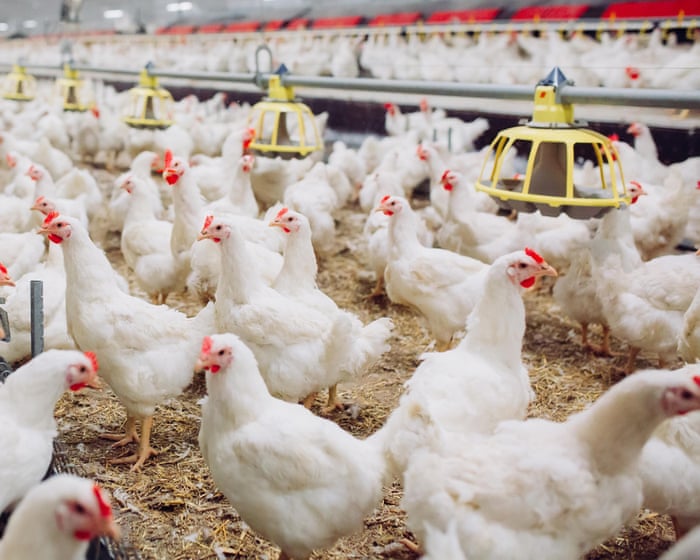
A genomic study spanning 30 countries has found that the expansion of intensive chicken production is accelerating the movement and evolution of Campylobacter, the world’s most common bacterial cause of diarrhoea.
Researchers analysed nearly 2,800 bacterial genomes collected from chickens and wild birds between 1979 and 2024. Their reconstruction of the bacteria’s evolutionary history indicated that transfers of Campylobacter strains between chickens and wild birds have increased about 100-fold since 1900 compared with the period before chicken domestication.
The study, published in the Proceedings of the National Academy of Sciences and reported on July 27, 2026, also identified a rise in antimicrobial-resistance traits among circulating strains. That finding raises concern because some Campylobacter infections require antibiotics, while resistance can reduce the effectiveness of medicines previously used for treatment.
Global chicken numbers have risen roughly seven-fold since the 1960s to about 27 billion birds, according to the report. The researchers said the scale and density of modern poultry farming create more opportunities for bacterial strains from different hosts to mix and acquire new characteristics.
Campylobacter infection is commonly linked to raw chicken. Thorough cooking kills the bacteria, but contamination can also occur when raw poultry juices reach hands, utensils or other foods. Most infected people recover without treatment, though some cases require medical care and infection can be followed by longer-term digestive problems.
The findings add to wider concern about how high-density livestock systems can influence pathogen evolution. They do not show that every intensive poultry operation produces resistant bacteria, but they indicate that the global structure of chicken production is changing the conditions in which Campylobacter circulates and evolves.