Fed chair Kevin Warsh faces first Jackson Hole test as inflation concerns unsettle markets
Investors will scrutinise Federal Reserve chair Kevin Warsh’s Friday speech at Jackson Hole for signs of how the US central bank will respond to inflation and volatility in government bond markets.
In short
- Investors will scrutinise Federal Reserve chair Kevin Warsh’s Friday speech at Jackson Hole for signs of how the US central bank will respond to inflation and volatility in government bond markets.
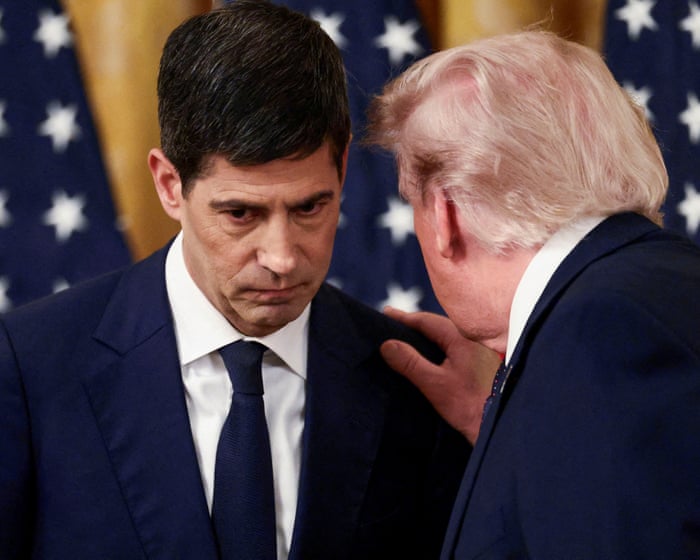
Federal Reserve chair Kevin Warsh is heading into a closely watched Jackson Hole speech as investors seek clarity on the US central bank’s response to inflation and renewed turbulence in government bond markets.
Warsh is scheduled to address the Federal Reserve’s annual symposium in Wyoming on Friday, August 28, 2026. The gathering is one of the central banking calendar’s most influential events and is often used to explain the Fed’s policy direction.
This year’s meeting comes amid concerns about the inflationary effects of US tax and spending policy, the war with Iran and a national debt that has passed $40 trillion. Selling in the roughly $30 trillion US government debt market has pushed yields on longer-dated Treasuries back towards levels last seen in 2007.
Warsh, appointed by President Donald Trump earlier in 2026, has indicated that he does not want to routinely guide markets towards specific interest-rate decisions. He has suggested his Jackson Hole remarks may instead address broader issues such as productivity and demographic change.
That approach carries risks. Analysts say investors are looking for reassurance that the Fed remains committed to controlling inflation, while limited guidance could add to market volatility.
The Fed left interest rates unchanged in July. Market pricing points to another hold in September, though some investors see a possible increase. Expectations also include at least one quarter-point rise, and potentially two, by the middle of 2027.
Trump has publicly pressed the central bank to cut rates, adding to concerns about political pressure on an institution designed to make monetary-policy decisions independently. Warsh’s speech will therefore be judged both for its economic message and for the degree of institutional independence it signals.