
Lake Mead Falls Below 2022 Record to Lowest Level Since Filling
Lake Mead fell to 1,040.4 feet above sea level on August 7, 2026, its lowest point since the reservoir was filled, intensifying concern over the Colorado River water crisis.
In short
- Lake Mead fell to 1,040.4 feet above sea level on August 7, 2026, its lowest point since the reservoir was filled, intensifying concern over the Colorado River water crisis.
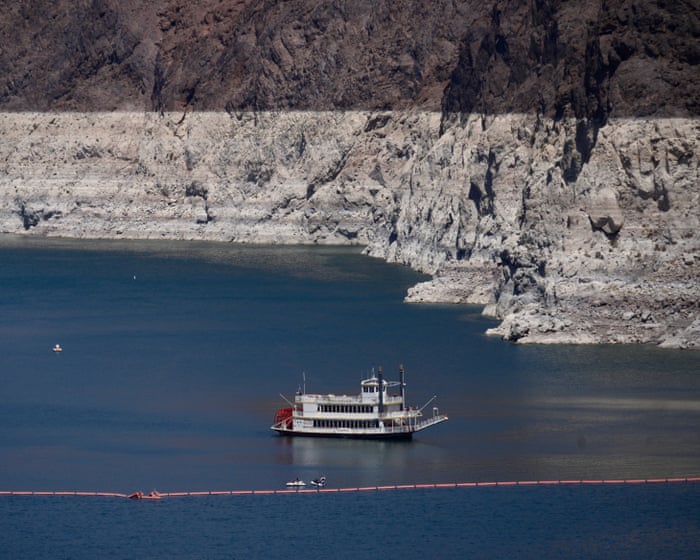
Lake Mead fell to its lowest water level since the reservoir was filled about 90 years ago, underscoring mounting pressure on the Colorado River system that supplies tens of millions of people.
Federal data showed the reservoir at 1,040.4 feet, or 317.1 meters, above sea level on Friday, August 7, 2026. That was slightly below the previous record measured on July 28, 2022, according to the U.S. Bureau of Reclamation.
The reservoir, held behind Hoover Dam along the Arizona-Nevada border, is the largest in the United States. It is a central storage point on the Colorado River, which serves about 40 million people across seven U.S. states, tribal nations and Mexico while supporting millions of acres of farmland.
The river basin has been strained by prolonged drought, high temperatures, heavy water use and weak snowmelt. The past winter produced the lowest snowpack recorded in the basin, reducing runoff that normally replenishes the river and its reservoirs. Lake Powell, the system’s other major reservoir, is also near historic lows.
The seven basin states have not reached a long-term agreement on sharing the shrinking supply. A recent federal proposal calls for Arizona, California and Nevada to use less water, with the size of reductions varying according to conditions. More details are expected in a federal decision in the coming weeks.
Officials expect Lake Mead to continue declining through much of 2026, based on July modeling. The continuing drop threatens water deliveries, farming, wildlife habitat and hydropower production across the region.