London Film Festival unveils 251-film programme as director flags gender gap
Women made 43% of the 2026 London Film Festival programme, but directed only two of its 21 gala films, according to figures released with the full lineup.
In short
- Women made 43% of the 2026 London Film Festival programme, but directed only two of its 21 gala films, according to figures released with the full lineup.
The BFI London Film Festival has announced a 251-title programme for October 7–19, 2026, while its director warned that women remain underrepresented in the industry beyond their first films and in the festival’s most prominent slots.
Festival figures show that women made 109 titles in the programme, or 43% of the total. Only two of the 21 gala films, however, were directed by women.
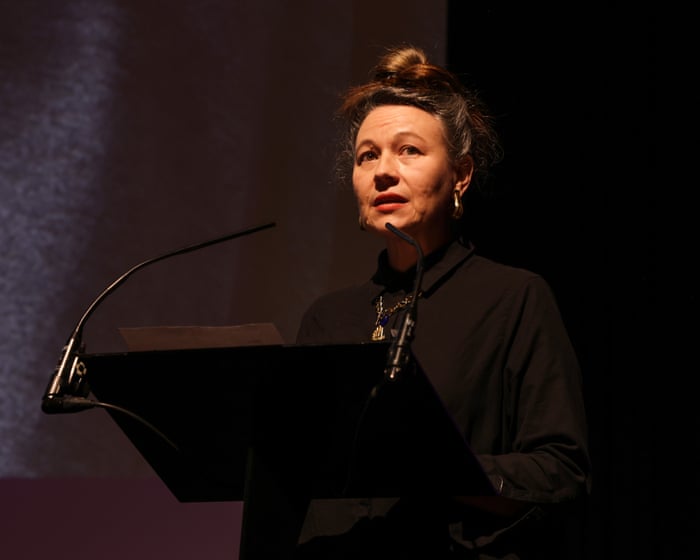
Festival director Kristy Matheson said programmers continue to find strong work by women among short films and directorial debuts, but representation declines for second and later features. She linked the disparity in gala selections to the broader difficulty women face securing opportunities to make larger-budget and subsequent films.
The programme will open with the European premiere of Simon Stone’s “Elsinore,” starring Andrew Scott and Olivia Colman. Jesse Eisenberg’s comedy “The Debut,” featuring Julianne Moore and Paul Giamatti, will close the festival with its UK premiere.
Other announced selections include Mike Leigh’s “Tender Loving Care,” Boots Riley’s “I Love Boosters,” Danny Boyle’s “Ink,” Martin McDonagh’s “Wild Horse Nine” and Sergei Loznitsa’s “Imperium.” Tony Gilroy’s “Behemoth!” is among the international premieres, while Anthony Wonke’s “In the Shadows” and Michael Winterbottom’s “The Trip to the Northern Lights” are scheduled as world premieres.
The festival also plans onstage conversations with filmmakers and performers including Ava DuVernay, Sofia Coppola, Cynthia Erivo, Andrew Scott, John Malkovich, Mahershala Ali and Danny Boyle.
Matheson identified creative communities, labour and political history as recurring themes across the lineup. The representation figures accompany renewed debate about access to film financing and the limited number of women advancing to higher-budget projects and later-career features.