
London study links low-emission zone to improved lung growth in children
A study tracking schoolchildren in London and Luton found that children’s lung development in the capital improved after the ultra-low emission zone began, alongside larger reductions in nitrogen dioxide exposure.
In short
- A study tracking schoolchildren in London and Luton found that children’s lung development in the capital improved after the ultra-low emission zone began, alongside larger reductions in nitrogen dioxide exposure.
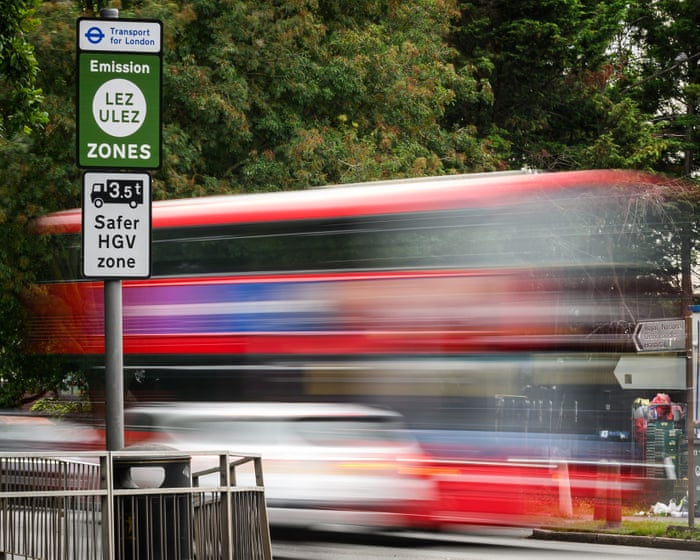
A study of schoolchildren in London and Luton has found that lung development among children in the capital improved after London introduced its ultra-low emission zone in 2019.
Researchers recruited 1,664 children aged six to nine in London and 1,750 in Luton before the policy took effect. Luton, which had a similar mix of traffic pollution but no comparable clean-air zone, served as the control. The teams measured the children annually from 2018 through 2022.
At the start, the London group had significantly smaller lungs than the children in Luton. Following the introduction of the zone, the size and function of the London children’s lungs improved until the measurements were comparable with those recorded in Luton, according to the report published on August 18, 2026.
The researchers also found that nitrogen dioxide exposure among the London children declined twice as fast and by twice as much as it did among the Luton group over five years. They said the correlation between cleaner air and improved lung function offered strong evidence that ambitious clean-air zones can reduce harm from traffic pollution.
Earlier research cited in the report found that children in London’s most polluted areas could have 5% to 10% less lung capacity by age eight or nine than peers elsewhere. Reduced lung function during childhood can raise the risk of respiratory, cardiovascular and metabolic illness later in life.
The findings do not settle every question about cause. Stephen Burgess, a University of Cambridge biostatistics professor who was not involved in the research, said other factors, including pollution changes during the Covid-19 pandemic, may have influenced the results. He nevertheless described the evidence that changes to the urban environment may benefit children’s lung development as encouraging.
London introduced the ultra-low emission zone in 2019 to restrict the most polluting vehicles and later expanded it. The study adds health evidence to the continuing debate over the costs imposed on motorists and the public-health benefits of low-emission policies.