Sergei Loznitsa criticises EU funding cut to Venice Biennale over Russia pavilion
Filmmaker Sergei Loznitsa says the European Commission’s €2 million funding cut to the Venice Biennale over Russia’s pavilion is misplaced and distracts from larger economic links with Moscow.
In short
- Filmmaker Sergei Loznitsa says the European Commission’s €2 million funding cut to the Venice Biennale over Russia’s pavilion is misplaced and distracts from larger economic links with Moscow.
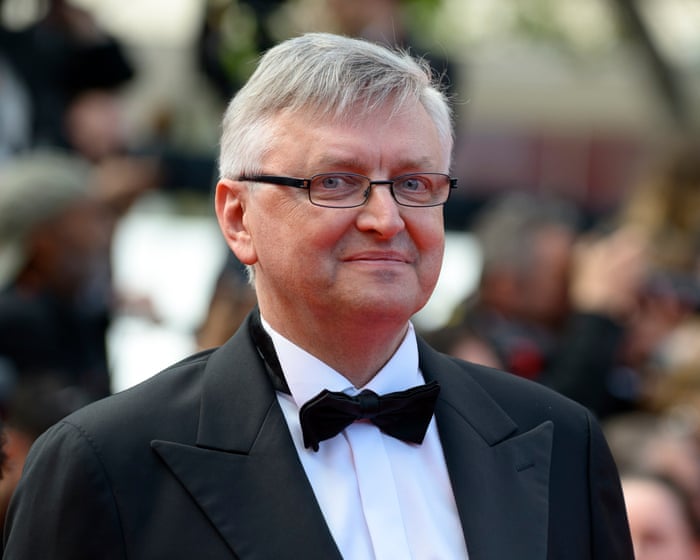
Ukrainian filmmaker Sergei Loznitsa has criticised the European Commission’s decision to terminate a €2 million multiyear grant to the Venice Biennale after the institution allowed Russia to reopen its national pavilion during the 2026 art exhibition.
The commission confirmed in August that it was ending the grant. The Biennale said the funding supported cinema programmes including Biennale College and the Venice Production Bridge, rather than the art pavilion at the centre of the dispute.
Russia’s pavilion, which returned for the first time since 2022, was accessible during preview dates but has been closed to the public since May 9. Its inclusion drew objections because Russia’s full-scale invasion of Ukraine continues.
Speaking before the Venice Film Festival, Loznitsa argued that the funding cut targets the wrong institution and distracts from more consequential European economic ties with Russia. He said he would not visit the Russian pavilion but questioned whether its presence had any bearing on the war.
The director pointed to European purchases of Russian liquefied fossil gas. The Guardian cited data from the EU Agency for the Cooperation of Energy Regulators showing imports rose 17 percent in the second quarter of 2026 compared with the same period in 2025. An EU-wide prohibition on Russian gas is due to take effect in 2027.
The dispute has reached the film festival because the terminated grant financed some cinema activities, even though the festival operates with a degree of institutional independence from the wider Biennale.
This year’s film programme includes several works examining Russia, Ukraine, Belarus and the legacy of the Soviet Union. Loznitsa is presenting his archival documentary “Imperium” out of competition. The film uses footage shot across the Soviet Union between 1970 and 1973 to examine cultural difference, propaganda and imperial cohesion.
Ukrainian authorities have separately raised concern about the inclusion of Ilya Khrzhanovsky’s “Dau,” citing the past involvement of sanctioned Russian businessman Sergey Adonyev. Festival artistic director Alberto Barbera has rejected the characterisation of the project as Kremlin propaganda, saying it was principally filmed from 2008 to 2011 and financed by Germany, France and Sweden.