Malaysia tightens hiking rules as rescues rise amid social media trend
Malaysia is requiring guides at 189 high-risk locations and restricting compressed hikes after lost-hiker cases rose nearly 30% in the first five months of 2026.
In short
- Malaysia is requiring guides at 189 high-risk locations and restricting compressed hikes after lost-hiker cases rose nearly 30% in the first five months of 2026.
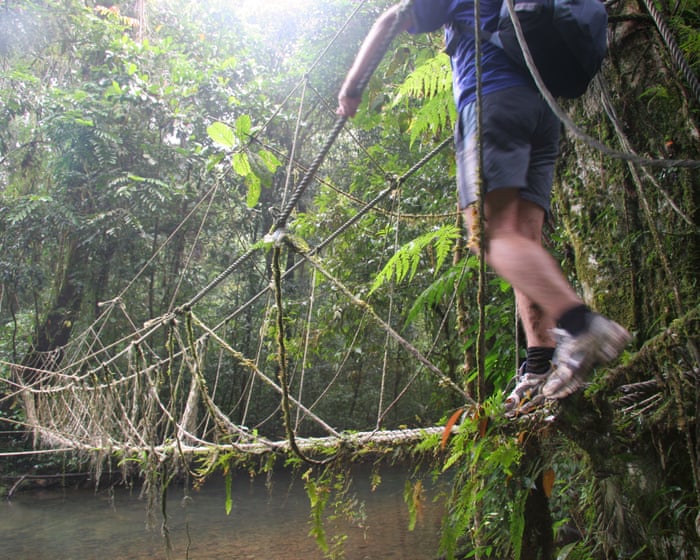
Malaysia is tightening safety requirements for hikers after authorities reported a rise in people becoming lost or stranded in remote areas, with officials linking some emergencies to social media-driven attempts to complete demanding routes too quickly.
The country recorded 52 lost-hiker cases in the first five months of 2026, nearly 30 percent more than during the same period in 2025, according to figures attributed to the Malaysian Fire and Rescue Department.
The measures include mandatory guides at 189 locations deemed high risk, stronger screening before climbs and restrictions on so-called compressed hikes, in which demanding ascents and descents are attempted within shorter periods than normally recommended.
Deputy Natural Resources and Environmental Sustainability Minister Syed Ibrahim Syed Noh told Malaysia’s upper house that compressed hikes had been banned in many high-risk mountain areas. Implementation varies by location: some authorities will not approve applications for compressed trips, while others have introduced minimum durations of several days on specified routes.
Officials are also requiring health declarations, checks of medical history and insurance coverage before some climbs. Malaysia already requires permits for hiking in state parks and forests.
The changes follow concern that hikers seeking striking social media content or rapid peak-completion achievements may carry insufficient equipment and underestimate preparation needs. The government says the controls are intended to prevent accidents and reduce the financial and staffing burden on search-and-rescue teams.