NASA-supported study finds elevated black carbon pollution in Addis Ababa
Three years of ground monitoring found Addis Ababa’s average PM2.5 concentration at 30 micrograms per cubic metre, while black carbon levels were four to nine times those measured in three monitored US cities.
In short
- Three years of ground monitoring found Addis Ababa’s average PM2.5 concentration at 30 micrograms per cubic metre, while black carbon levels were four to nine times those measured in three monitored US cities.

A NASA-supported air-quality study has found elevated concentrations of black carbon and fine particulate pollution in Addis Ababa, providing a new baseline for tracking health risks as the Ethiopian capital expands.
Researchers analysed measurements collected from 2022 through 2025 at 10 ground stations deployed for NASA’s Multi-Angle Imager for Aerosols project. The city’s three-year average concentration of PM2.5 — particles small enough to enter deep into the lungs — was 30 micrograms per cubic metre, according to The Reporter Ethiopia. That was more than three times the US Environmental Protection Agency’s annual health standard cited in the report.
The study found black carbon concentrations four to nine times higher than levels recorded in Los Angeles, Atlanta and Boston, the three US metropolitan areas monitored by the same project. Black carbon is a component of PM2.5 produced by incomplete combustion.
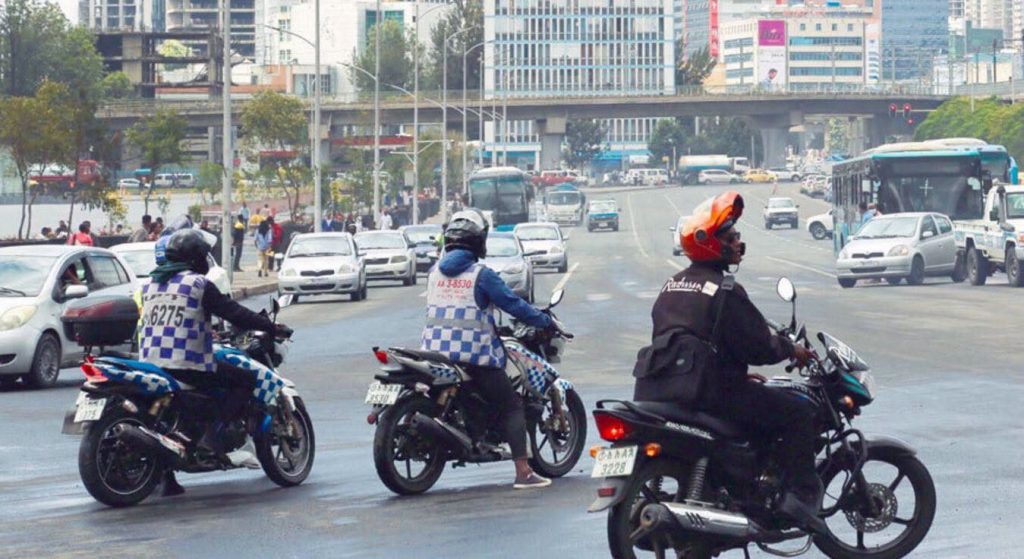
Traffic-related fossil-fuel emissions drove daytime peaks, particularly around rush hours. Pollution remained elevated at night as households burned charcoal and other solid fuels, while traditional holiday bonfires produced short-lived seasonal spikes. The monitoring system was able to distinguish soot from wood burning from emissions associated with diesel engines.
The ground network is intended to support a planned space-based observatory carrying a camera developed by NASA’s Jet Propulsion Laboratory. The launch, aboard an Italian Space Agency satellite, is scheduled for no earlier than late 2027. Researchers plan to combine future aerosol maps with health data to examine links between specific pollutants and disease in rapidly growing cities.