New Zealand Makes English an Official Language
A law passed on July 30, 2026, formally gives English official status in New Zealand alongside te reo Māori and New Zealand Sign Language.
In short
- A law passed on July 30, 2026, formally gives English official status in New Zealand alongside te reo Māori and New Zealand Sign Language.
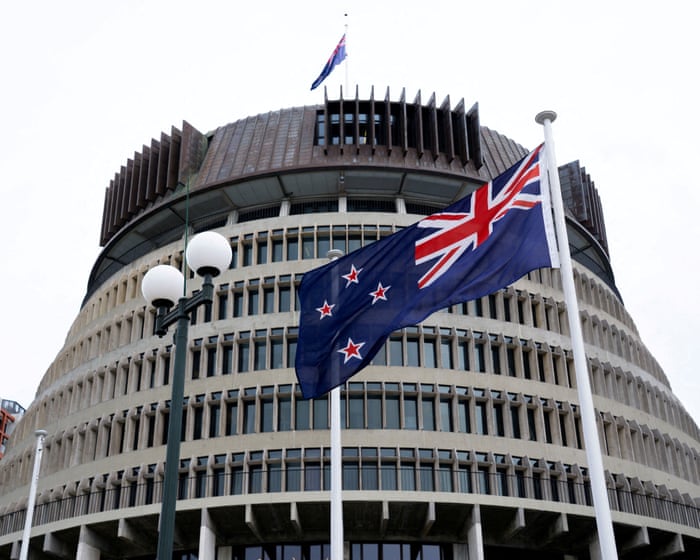
New Zealand has formally recognized English as an official language, placing it alongside te reo Māori and New Zealand Sign Language under legislation that became law on July 30, 2026.
English was already the country’s dominant language and is spoken by about 95% of the population. The law gives it explicit statutory recognition but does not require the government to prioritize English in public communications.
The measure formed part of the governing arrangement between the centre-right National Party and New Zealand First. The government and the opposition Labour Party supported it, while the Greens and Te Pāti Māori voted against it.
Justice ministry officials had advised that there was no evidence English needed legal protection. Supporters argued that the law aligns legislation with longstanding practice and clarifies the language’s formal status.
Critics, including linguists and legal scholars, said official recognition is normally used to protect minority languages and that the change has little practical effect. New Zealand now has three languages with official status.