
Romania Shuts Last Operating Nuclear Reactor as Danube Hits Record Low
Romania shut the second reactor at its Cernavoda nuclear plant after drought lowered the Danube to record levels, tightening electricity supplies in Romania and neighbouring Moldova.
In short
- Romania shut the second reactor at its Cernavoda nuclear plant after drought lowered the Danube to record levels, tightening electricity supplies in Romania and neighbouring Moldova.
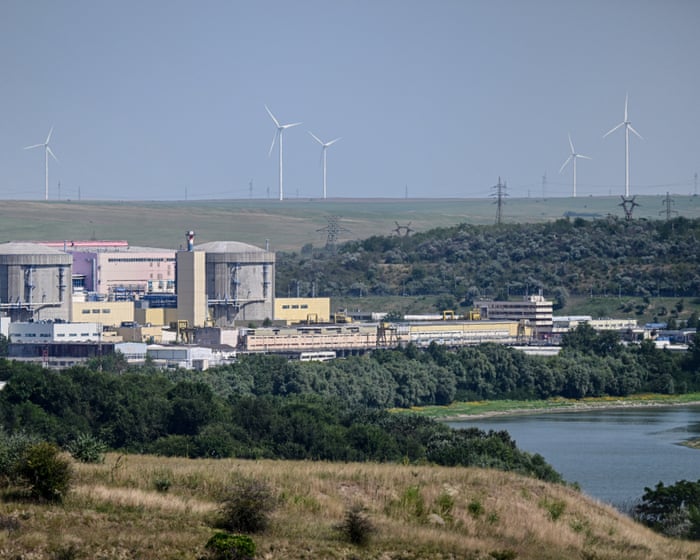
Romania shut the last operating reactor at its Cernavoda nuclear power plant on Thursday, August 13, after record-low water levels in the drought-hit Danube reduced the water available to cool the facility.
Operator Nuclearelectrica said the river’s continuing decline forced it to take the second reactor offline and that it did not expect a restart within the next 10 days. The first reactor had already been shut in late July for the same reason.
Cernavoda’s two reactors each have a capacity of 706 megawatts and normally provide about 20 percent of Romania’s electricity. The government has declared an energy emergency for August and asked businesses and households to reduce consumption during peak periods.
Romania’s energy ministry said a 330-megawatt lignite-fired plant had been activated to help cover the shortfall. Officials are also relying on wind generation and hydropower where reservoir conditions permit. The ministry warned that large industrial users could face evening restrictions if other measures prove insufficient.
The shutdown also puts pressure on Moldova, which has relied on Romanian electricity to cover as much as 60 percent of its shortages. With those imports unavailable, Moldova may need to seek supply from Ukraine or more expensive western markets, or consider rolling outages.
Low river levels are affecting energy systems beyond Romania. Nearly two-thirds of the Danube recorded its lowest July flow in 34 years, according to analysis by the European Union’s Copernicus climate service. Nuclear generation in France and Hungary has also been constrained by drought, extreme heat or cooling-water limitations.
The Danube’s decline has additionally disrupted shipping along the river’s 2,850-kilometre route from Germany to the Black Sea.