Shein targets nearly $27 billion valuation in Hong Kong IPO
Fast-fashion retailer Shein plans to begin trading in Hong Kong on September 1 after launching an initial public offering that could raise about $1.77 billion.
In short
- Fast-fashion retailer Shein plans to begin trading in Hong Kong on September 1 after launching an initial public offering that could raise about $1.77 billion.
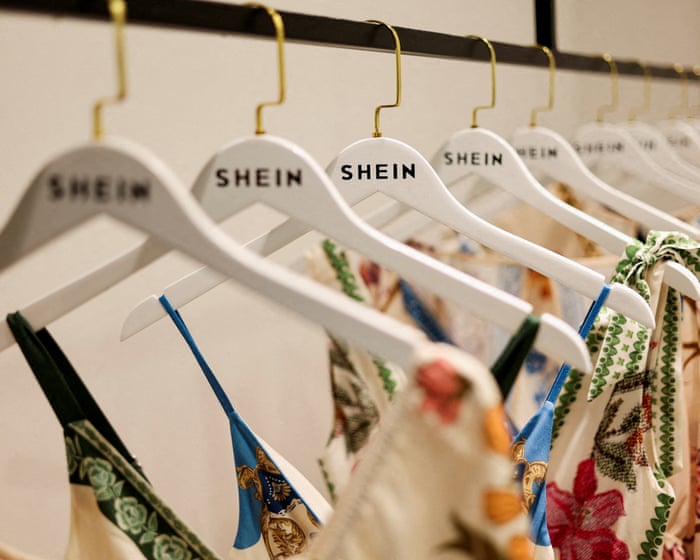
Fast-fashion retailer Shein plans to begin trading on the Hong Kong stock exchange on September 1, 2026, in an initial public offering that could value the company at nearly $27 billion.
The Singapore-headquartered group launched the offering on Monday, August 24, after securing approval from Beijing in July. Regulatory filings show that Shein is offering 280 million shares at between HK$47.60 and HK$49.50 each. At the top of that range, the sale would raise as much as HK$13.86 billion, or about $1.77 billion.
Shein is expected to announce the final offer price on August 31. The company said proceeds would support its technology capabilities and further international expansion.
The proposed valuation is far below the private-market peak of almost $100 billion attributed to Shein four years ago. The reduction comes as the company faces slower growth, higher costs and closer scrutiny of its environmental record and supply chain.
Shein, which was founded in China and moved its headquarters to Singapore in 2021–2022, sells low-cost clothing and other products to customers in about 160 countries. Its average monthly user base in Europe reached 156 million by the end of 2025, according to figures cited in the source report.
Earlier plans to list in New York and London encountered regulatory obstacles. The Hong Kong debut would give investors a new measure of demand for the retailer while testing whether its global scale can offset continuing legal and reputational pressures.
The company says it enforces strict supplier compliance rules and does not tolerate forced labour. It has nevertheless faced protests and regulatory action in Europe over alleged labour conditions, environmental claims, product traceability and other consumer-protection issues.