
Study finds AI could raise net energy-sector emissions by boosting fossil fuels
Modelling across 64 scenarios found AI-enabled gains in fossil-fuel production could outweigh emissions avoided through renewable-energy applications, though researchers described the result as directional rather than a precise forecast.
In short
- Modelling across 64 scenarios found AI-enabled gains in fossil-fuel production could outweigh emissions avoided through renewable-energy applications, though researchers described the result as directional rather than a precise forecast.
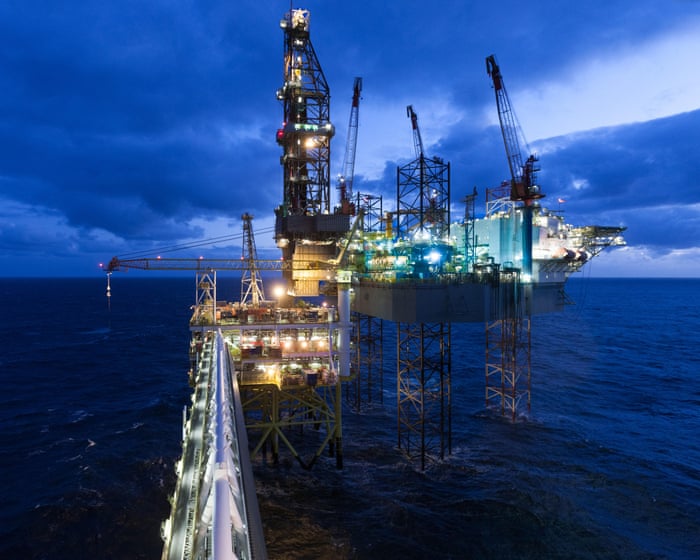
Artificial intelligence could increase energy-sector carbon emissions if its productivity benefits for coal, oil and gas outpace gains for renewable power, according to a modelling study reported on August 11, 2026.
Researchers assessed 64 scenarios covering AI applications in both fossil-fuel extraction and clean-power generation. The models produced an annual net increase of 0.47 to 1.8 gigatonnes of carbon pollution, equivalent to about 1% to 5% of the energy sector’s yearly emissions, the report said.
Net emissions declined only in scenarios where AI did not raise fossil-fuel productivity. If clean and fossil-energy facilities adopted the technology at similar rates, renewable-energy productivity gains would have to be at least four times larger than fossil-fuel gains for emissions to break even, according to the modelling.
The analysis did not include the electricity demand of AI data centres. Instead, it examined the technology’s indirect effect on energy production, including improved oil and gas exploration, well planning, grid management and renewable-power operations. The researchers cautioned that their estimates show the direction and structure of the effect rather than provide a precise forecast.
The findings add a broader dimension to debate about AI’s climate impact. Much of that discussion has focused on power consumed by data centres, while energy companies are also deploying AI to reduce costs, accelerate projects and identify additional fossil-fuel reserves.