
ARIA selects 14 teams for £30 million wildlife biotechnology research
ARIA has selected 14 teams for an initial £30 million in experimental wildlife biotechnology research, The Guardian reports. The programme will keep the work in laboratories, with no releases into the wild through 2030.
In short
- ARIA has selected 14 teams for an initial £30 million in experimental wildlife biotechnology research, The Guardian reports.
- The programme will keep the work in laboratories, with no releases into the wild through 2030.
Britain’s Advanced Research and Invention Agency has selected 14 teams for an initial £30 million in research grants to explore whether biotechnology can help wildlife withstand environmental threats, The Guardian reported on 21 September 2026.
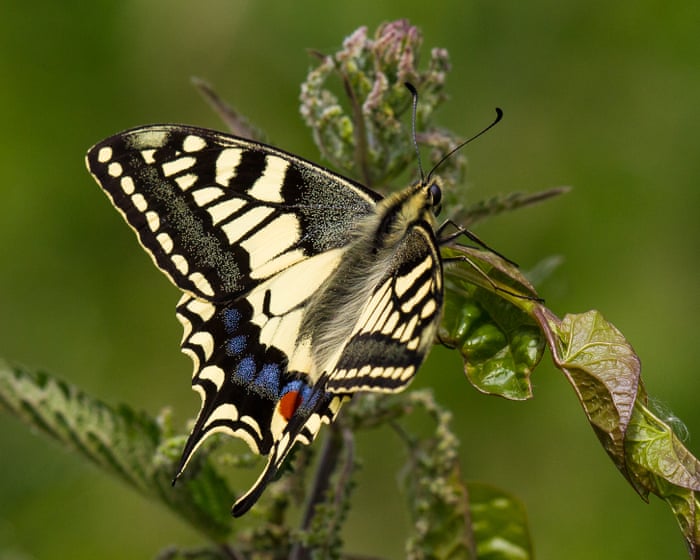
The awards cover two years and form part of ARIA’s £54 million Accelerated Adaptation programme. The research includes efforts to improve swallowtail butterflies’ resistance to insecticides, develop RNA-based protection against ash dieback and use bacteria on amphibians’ skin to counter fungal infection.
These are proposed interventions, not proven conservation treatments. According to the report, researchers will work in secure laboratories, with no experimental releases into the wild during the programme, which runs until 2030. A further £24 million is intended for projects that succeed in the initial phase.
The work aims to supplement existing conservation measures. Researchers still face questions about effectiveness and wider ecological consequences, as well as regulatory requirements before any field deployment.