Thousands of Seafarers Remain Stranded as Hormuz Traffic Slumps
About 6,000 seafarers aboard 500 vessels remain trapped in the Gulf as conflict sharply reduces traffic through the Strait of Hormuz, according to the International Maritime Organization.
In short
- About 6,000 seafarers aboard 500 vessels remain trapped in the Gulf as conflict sharply reduces traffic through the Strait of Hormuz, according to the International Maritime Organization.
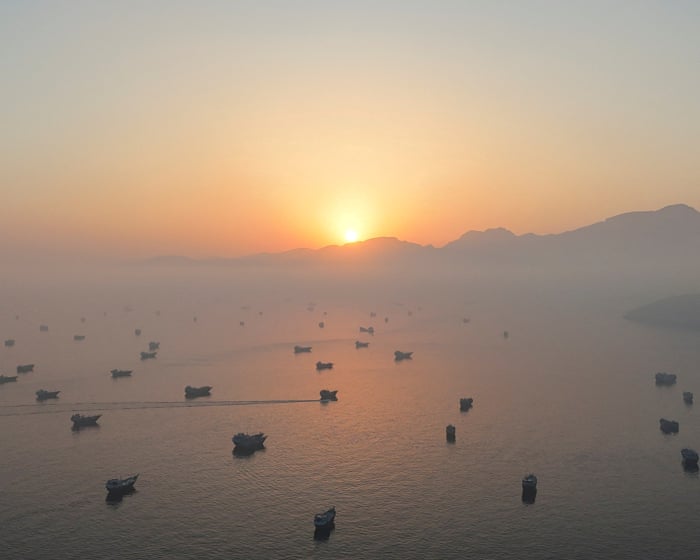
About 6,000 seafarers aboard 500 vessels remain unable to leave the Gulf as conflict and attacks on commercial shipping continue to disrupt the Strait of Hormuz, according to figures cited from the International Maritime Organization.
The prolonged disruption has exposed civilian crews to missile and drone threats while sharply limiting one of the world’s busiest shipping routes. The IMO says merchant seafarers are not trained for combat and their vessels are not equipped to defend against such attacks.
The latest danger was underlined when the bulk carrier Minoan Pioneer was struck by an unidentified projectile roughly 20 nautical miles north of Oman. The impact caused an engine-room blackout and a fire in crew accommodation. Crew members later abandoned the vessel, but its third engineer remained missing. The United Kingdom Maritime Trade Operations centre was investigating and had not confirmed who was responsible.
Shipping data cited by the source showed only 84 vessels, including Iranian-linked ships, transited the strait in the week from July 27 to August 2, 2026. That was slightly more than one-tenth of the roughly 700 weekly movements recorded before the conflict.
Seafarers’ groups say uncertainty over when ships can depart is taking a growing psychological toll. Food, water and other supplies are reaching many vessels by small boat, but changing crews remains difficult because replacement officers must be willing to enter the danger zone.
The disruption also has wider economic implications. Maritime transport carries most internationally traded goods, meaning continued restrictions and attacks could affect supply chains well beyond the Gulf.