
UNEP says global warming is likely to overshoot 1.5°C and could be limited near 1.8°C
A new UN Environment Programme assessment says overshooting 1.5°C is now unavoidable, but rapid emissions cuts and carbon removal could still limit peak warming to about 1.8°C and return temperatures toward the Paris target.
In short
- A new UN Environment Programme assessment says overshooting 1.5°C is now unavoidable, but rapid emissions cuts and carbon removal could still limit peak warming to about 1.8°C and return temperatures toward the Paris target.
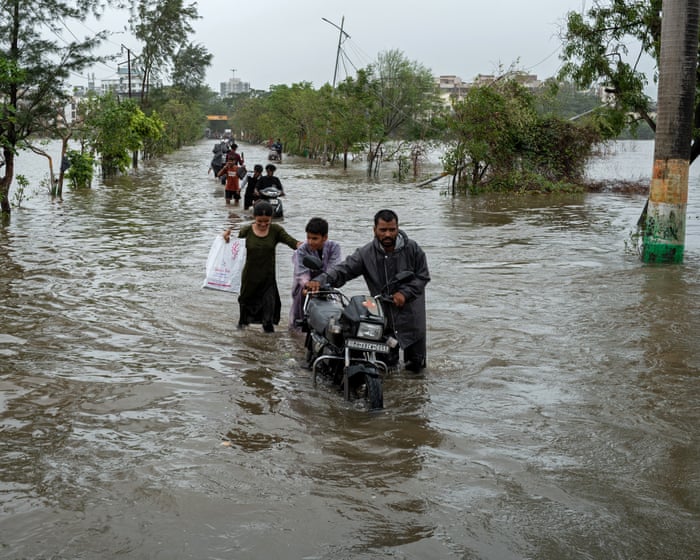
A new United Nations assessment says global warming is likely to pass the Paris Agreement’s 1.5°C limit within the next few years, placing greater pressure on governments to cut emissions rapidly and prepare communities for more severe climate impacts.
The UN Environment Programme report, titled “Limiting Overshoot,” says the most optimistic pathway would hold peak warming to about 1.8°C above pre-industrial levels. Under that pathway, temperatures could later be brought back toward 1.5°C this century through sustained reductions in greenhouse-gas emissions and the removal of carbon dioxide from the atmosphere.
The report warns that every additional fraction of a degree raises the risks of extreme weather, glacier loss, ecosystem damage and rising seas. It estimates that warming approaching 3°C could cause glaciers to lose more than a quarter of their mass by 2100 and could reduce global food production by as much as 14 percent by 2050 without effective adaptation.
UNEP says reaching net-zero emissions remains essential. Carbon-removal measures, including restoring and expanding forests, must complement rather than replace deep reductions in fossil-fuel pollution.
The assessment also calls for stronger adaptation to protect infrastructure, water supplies, health systems and livelihoods. Its authors say limiting peak warming to around 1.8°C would require global emissions to be cut by half by 2035. Existing national policies are projected to produce at least 2.3°C of warming, while full delivery of mid-century net-zero commitments could keep the increase below 2°C.
The report was published on September 2, 2026.