US measles cases reach 2,371 as health departments race to contain outbreaks
The United States recorded 2,371 confirmed measles cases by the end of July 2026, its highest tally in 30 years, as local health departments used vaccination and contact tracing to contain new clusters.
In short
- The United States recorded 2,371 confirmed measles cases by the end of July 2026, its highest tally in 30 years, as local health departments used vaccination and contact tracing to contain new clusters.
The United States had confirmed 2,371 measles infections by July 31, 2026, the country's highest case count in three decades, as public-health teams worked to contain clusters in several states.
Outbreaks in Arizona, South Carolina and Utah contributed to the national increase. Delaware also declared an outbreak in July after identifying five connected cases, beginning with the state's first known infection in more than a decade.
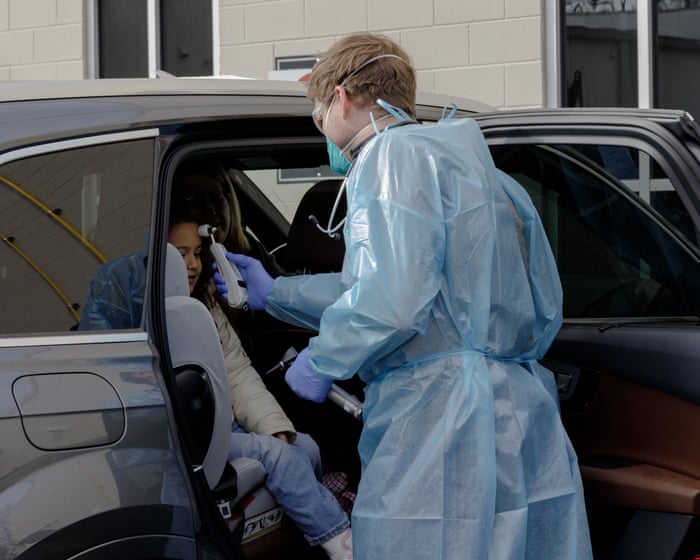
Delaware officials responded with contact tracing and vaccination clinics. More than 60 people received measles, mumps and rubella shots the day after the first case was announced. Four of the five identified patients were unvaccinated men in Kent County; the fifth had been vaccinated and experienced very mild symptoms.
The state's kindergarten MMR coverage has fallen from 98.5 percent in 2016 to 94.1 percent, below the roughly 95 percent level public-health specialists consider important for community protection. That protection matters especially for infants, some cancer patients and others who cannot be vaccinated or may not develop a strong immune response.
Two MMR doses are about 97 percent effective against measles, while one dose is about 93 percent effective, according to the specialists cited in the source report. Measles is highly contagious and can cause high fever, breathing problems, brain inflammation and death.
Health officials said rapid identification, contact tracing, vaccination, public education and access to care remain central to preventing local clusters from spreading. They have not recommended a broad change to the standard childhood vaccination schedule in Delaware, though guidance could be revisited if case numbers rise.