US State Department Accepts Blame for Africa Map Errors at AIDS 2026
The US State Department accepted responsibility after an official AIDS 2026 presentation in Brazil displayed an AI-marked map that mislabelled every African country.
In short
- The US State Department accepted responsibility after an official AIDS 2026 presentation in Brazil displayed an AI-marked map that mislabelled every African country.
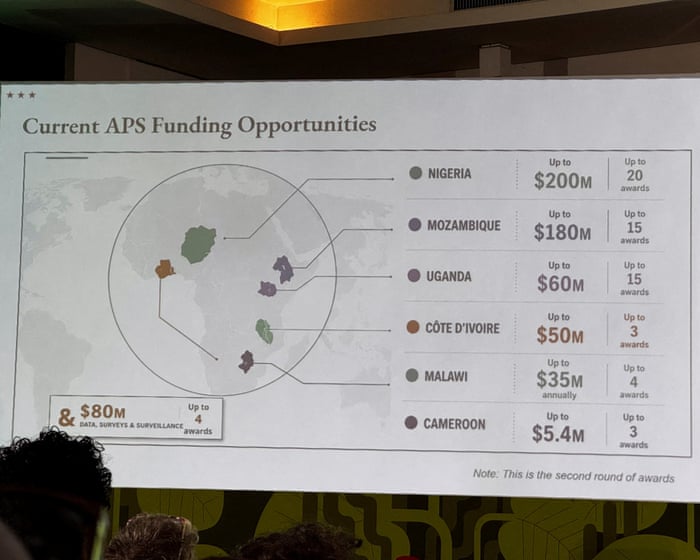
The US State Department has accepted responsibility after a presentation at the AIDS 2026 conference in Rio de Janeiro displayed a map that incorrectly labelled every country in Africa.
The map appeared on Sunday, July 26, during a presentation about new US health agreements. Reuters reviewed video of the session, according to The Guardian, confirming that the erroneous graphic was shown during the event.
Among the most visible errors, Nigeria was depicted as a landlocked country in the Sahara, Mozambique was moved from south-eastern Africa to the Horn of Africa, and Côte d’Ivoire was placed on the opposite side of the continent. Screenshots circulated online after conference attendees documented the slide.
The State Department said a team member had changed the presentation shortly before the event and acknowledged the effect on African participants. It said it took full responsibility for the confusion and misrepresentation caused to attendees, including African partners.
A Reuters analysis found that the image contained a watermark indicating it had been generated with OpenAI tools. OpenAI said it was investigating the report. The incident highlights the need for basic geographic verification and human review when generative tools are used in official communications.
The presentation was delivered by Jeff Graham, the senior US health envoy overseeing the President’s Emergency Plan for AIDS Relief, known as PEPFAR. The State Department said the conference discussions remained substantive despite the error and reiterated its commitment to AIDS programmes.