Zelenskyy warns wartime election could divide Ukraine
Ukrainian President Volodymyr Zelenskyy has rejected calls for an election while the war continues, arguing that voting under current conditions could split the country while leaving room for a poll under secure and democratic conditions.
In short
- Ukrainian President Volodymyr Zelenskyy has rejected calls for an election while the war continues, arguing that voting under current conditions could split the country while leaving room for a poll under secure and democratic conditions.
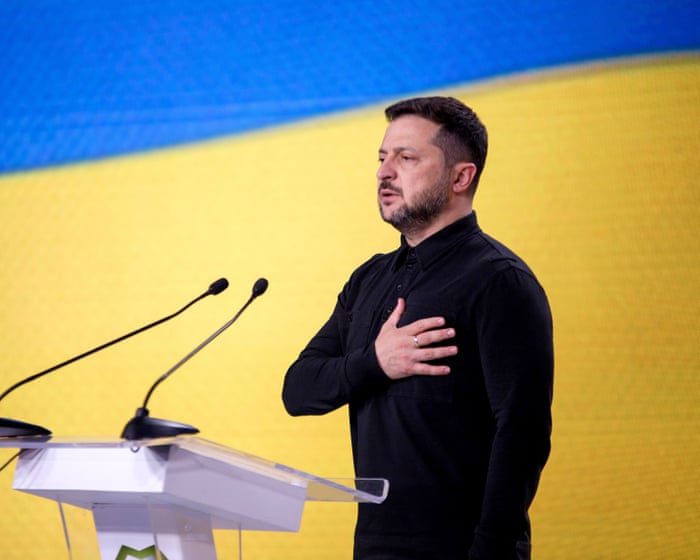
Ukrainian President Volodymyr Zelenskyy has warned that holding a national election while the war with Russia continues could divide the country and undermine its stability.
Zelenskyy made the comments during a briefing held on Saturday, August 22, 2026, whose details were reported on Sunday by the Guardian and Al Jazeera. He was responding to a proposal from former defence minister Mykhailo Fedorov, who had called for a new election after leaving the government.
Ukraine suspended elections after imposing martial law at the start of Russia’s full-scale invasion. Zelenskyy’s five-year presidential term expired in May 2024, but voting has remained on hold because of the conflict.
The president did not rule out an election in all circumstances. He said he would support one if Ukraine’s partners could help establish conditions for a safe, legitimate and democratic vote. Those conditions would need to allow military personnel, residents of frontline areas and millions of Ukrainians living abroad to participate without attacks or shelling disrupting the process.
Zelenskyy tied his opposition to an immediate election to continuing military pressure from Russia and the absence of a ceasefire. Claims he made about Russian missile stocks and possible future mobilisation were not independently verified in the configured source reports and are not presented here as established facts.
The dispute highlights the tension between maintaining democratic mandates and organising a credible nationwide vote during an active war that has displaced millions of citizens and placed parts of the country under occupation.