
Britain Issues Grid Warning as Solar Eclipse Cuts Generation During Heatwave
Britain’s grid operator sought extra generation for the August 12 evening peak as a solar eclipse reduced output and a heatwave increased demand, while saying customer supplies were not at risk.
In short
- Britain’s grid operator sought extra generation for the August 12 evening peak as a solar eclipse reduced output and a heatwave increased demand, while saying customer supplies were not at risk.
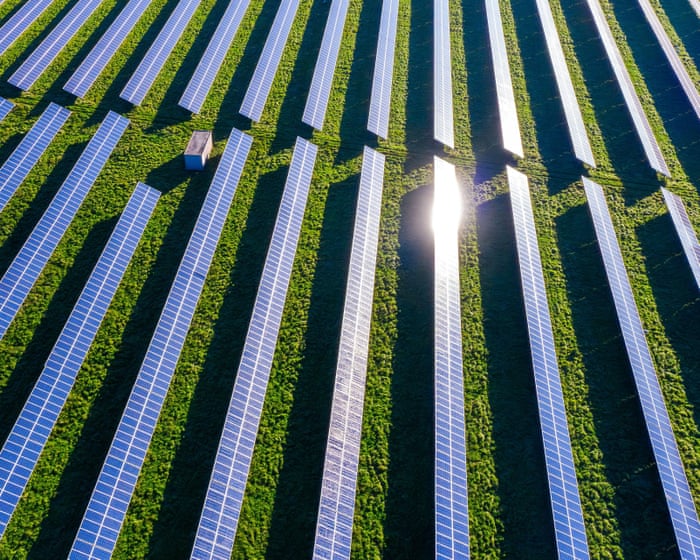
Great Britain’s electricity system operator issued a precautionary market warning for Wednesday evening, August 12, as a near-total solar eclipse and heat-driven demand were expected to tighten the country’s power supply margin.
The National Energy System Operator, known as Neso, initially projected a gap of more than 1,700 megawatts between available generation and peak evening demand. A second notice on Wednesday morning put the expected shortfall at about 1,200MW.
Neso said the notice was a routine request for generators to make additional capacity available and stressed that customer electricity supplies were not at risk. The eclipse was expected to remove between 300MW and 1,100MW of solar generation as the moon obscured as much as 95% of the sun in parts of Britain.
The squeeze coincided with the country’s fifth heatwave of the summer, which increased electricity use for cooling and refrigeration. Neso was expected to use market payments to bring extra generation online if needed.
Wholesale electricity prices for Wednesday evening rose above £211 per megawatt-hour at 7 p.m., according to market analysts cited by The Guardian. Octopus Energy also encouraged eligible customers to avoid running washing machines and dishwashers between 6 p.m. and 8 p.m., offering a free hour of electricity on Sunday in return.
The warning illustrates the balancing challenge created when weather-dependent generation changes sharply at the same time as extreme temperatures lift demand. It did not amount to a forecast of blackouts.