Rosebank oilfield preparations delayed after equipment falls to seabed
Rosebank oilfield preparations face delays after drilling equipment fell 1,100 metres to the seabed on April 18, with operator Adura now expecting production during 2027, subject to UK government approval.
In short
- Rosebank oilfield preparations face delays after drilling equipment fell 1,100 metres to the seabed on April 18, with operator Adura now expecting production during 2027, subject to UK government approval.
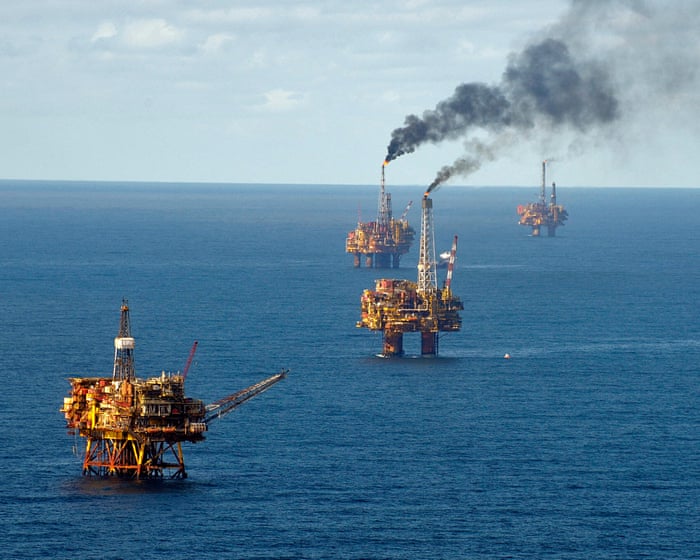
Production preparations at the Rosebank oilfield west of Shetland have been set back after two pieces of drilling equipment fell from a rig to the seabed, adding uncertainty to a project that still needs a UK government decision before extraction can proceed.
The incident occurred on April 18, 2026, when equipment including a safety valve dropped about 1,100 metres. No workers were injured. The rig, which operator Adura hired from Norway’s Odfjell Drilling, was taken to Bergen for repairs and has since returned to Rosebank, but it was not yet operational when The Guardian reported the development on July 25.
Internal Odfjell documentation cited by the newspaper indicated the rig could be unavailable for as long as four months. The report said that would leave some wells substantially behind schedule. Odfjell declined to comment, while Adura did not respond to the newspaper’s request for comment.
Adura now expects production to begin during 2027. Rosebank, about 80 miles northwest of Shetland, had previously been considered capable of producing oil before the end of 2026 if ministers approved the project.
The delay comes while the government considers the future of Rosebank and the Jackdaw gasfield. Licences for both projects were issued by the previous Conservative government, but operations were halted following a legal challenge by environmental groups. Energy Secretary Miatta Fahnbulleh is expected to decide the projects’ future after consultations on their emissions conclude in August 2026.
Industry estimates cited in the report put Rosebank’s potential output at 300 million barrels over 25 years. Supporters of new North Sea production argue it could bolster energy security and protect jobs, while environmental campaigners say the projects would have little effect on household bills and would prolong fossil-fuel use.
Because Rosebank remains subject to ministerial approval and the operational setback, its production is not expected to contribute to Britain’s energy supply during the coming winter.