
AI film studios test lower-cost production model in Hollywood
New studios are combining human actors with generative AI for backgrounds, effects and characters, promising lower costs while deepening concerns over jobs and creative rights.
In short
- New studios are combining human actors with generative AI for backgrounds, effects and characters, promising lower costs while deepening concerns over jobs and creative rights.
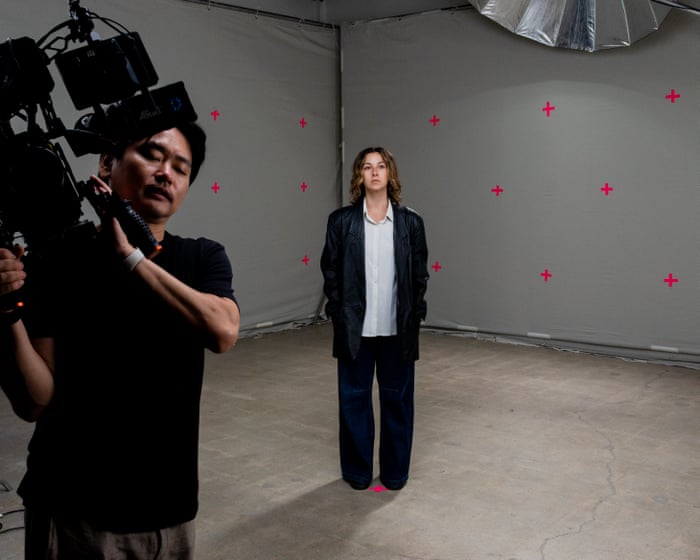
A group of emerging Hollywood studios is building films around generative artificial intelligence, testing whether the technology can reduce production costs and give smaller teams an alternative to traditional sound stages and visual-effects pipelines.
At Promise, a new studio in Culver City backed by technology and entertainment investors, production has begun on the horror film “Touch Grass.” The project combines a human actor with AI-generated environments that can be displayed on a director’s monitor during filming. Promise says the film has a budget in the low millions of dollars.
The studio’s chief executive, George Strompolos, estimated that productions blending human performances with AI tools could cost 20% to 50% less than conventional projects. Obsidian, another AI-focused studio working with director Ron Howard on an animated documentary about US prisoners of war in Vietnam, estimated savings of 30% to 40%.
Advocates say lower costs could help independent filmmakers take more creative risks without relying on major-studio financing. The tools can generate backgrounds, effects and synthetic characters, and some filmmakers are also using recently released Chinese video models.
The expansion remains contentious. Actors and writers have warned about job displacement and control over performances, while prominent directors have questioned both the technology and public appetite for AI-generated work. The debate is also extending to copyright, disclosure and possible US restrictions on Chinese AI models.
The projects show that AI is moving from short demonstrations into feature production, but their commercial reception and the rules governing their use remain unsettled.