
Study Finds AI-Generated ‘Doctors’ Spreading Dubious Health Advice on TikTok
An analysis of 1,198 TikTok videos found AI-generated content was common among leading health posts, prompting medical groups to warn that fabricated doctors and false remedies could harm users.
In short
- An analysis of 1,198 TikTok videos found AI-generated content was common among leading health posts, prompting medical groups to warn that fabricated doctors and false remedies could harm users.
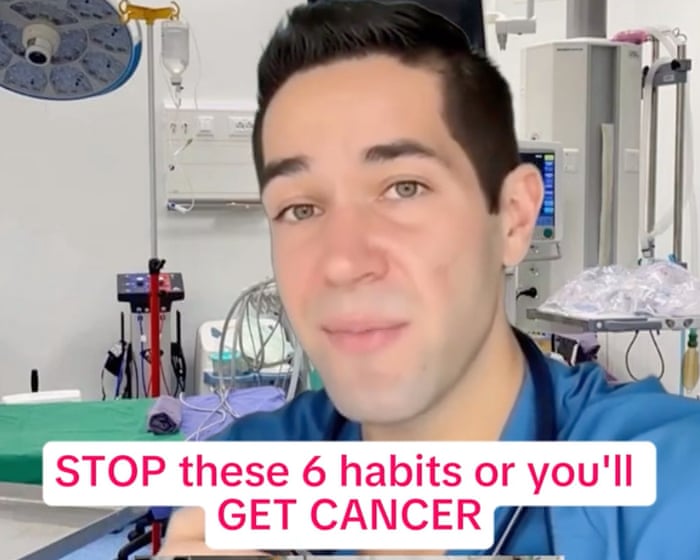
AI-generated accounts posing as doctors are attracting millions of views on TikTok while promoting disproven health claims and fabricated remedies, according to research published in July by digital marketing agency Hallam.
The study analysed 1,198 videos, including the top 50 posts across search terms such as “health tips” and “doctor advice.” It found that AI-generated content appeared in 40% of leading health-related videos reviewed. For the search term “health tips,” 84% of videos were classified as AI-generated or AI-assisted.
Hallam said leading AI-generated doctor and health videos in its sample averaged 2.5 million views. Many were posted by deepfake influencer accounts designed to resemble real medical professionals.
Examples included false claims that using deodorant, sleeping beside a phone or microwaving food in plastic causes cancer. Cancer Research UK has rejected those claims. Other videos promoted unverified remedies, including a Coca-Cola and onion mixture for pain relief and an apparently fictitious anti-ageing product called “Hyalethinap Plus Pro Max.”
The Guardian, which reported the findings, said it could find no evidence that the named anti-ageing product existed. TikTok removed examples sent to the company by the newspaper.
Medical organisations warned that such content can exploit public trust and cause real harm. British Medical Association council deputy chair Dr Emma Runswick called for platforms to do more to curb fake medical advice. NHS England national medical director Prof Frankie Swords said clinicians were seeing more patients who were worried or confused by false online claims.
The issue has significant reach. A 2025 Savanta survey of 7,407 adults in England, conducted for Healthwatch England, found that about one in five respondents used social media for health information.
TikTok disputed Hallam’s conclusions, saying research from a marketing agency with commercial interests did not accurately represent its platform. The company said it removes harmful health misinformation, including AI-generated material, and works with the World Health Organization and the NHS to provide reliable information in its app.
The findings add to concerns that increasingly realistic synthetic media can give misleading advice the appearance of professional authority. Health experts urged users to verify medical claims with qualified clinicians and established health organisations before acting on them.