
Flock Safety Mandates New Audit Controls for License-Plate Camera Network
Flock Safety says customers must activate automated misuse monitoring by year-end as the surveillance-camera company responds to reports of improper searches and wider privacy concerns.
In short
- Flock Safety says customers must activate automated misuse monitoring by year-end as the surveillance-camera company responds to reports of improper searches and wider privacy concerns.
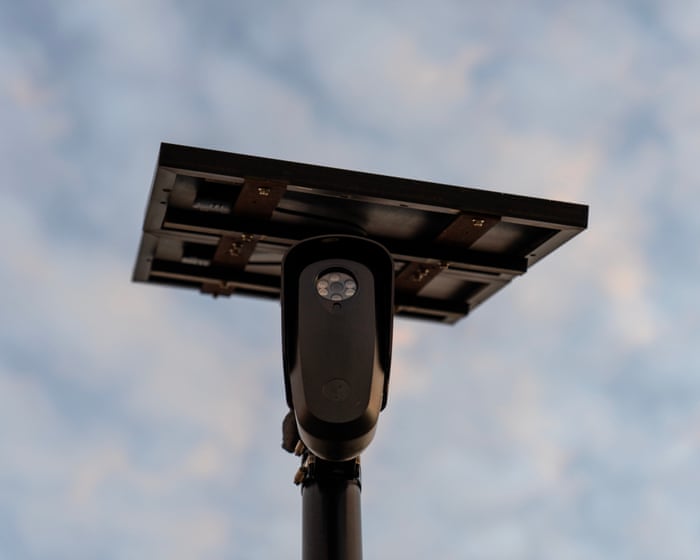
Flock Safety will require customers to activate automated monitoring designed to flag unusual searches of its license-plate camera network, part of a package of safeguards announced after reports that officers misused the system.
Chief executive Garrett Langley said customers—including police agencies, retailers, universities and homeowners’ associations—must enable the company’s Audit Assistance feature by the end of 2026. Flock says the tool flags abnormal activity and automatically suspends a user pending review, although its announcement did not specify what behavior triggers a flag. The feature had previously been voluntary, with about one-third of customers using it.
The company also said agencies will be able to limit data shared with other jurisdictions to specified types of cases, such as stolen vehicles or missing persons. Flock will change the default retention period for license-plate scans from 30 days to seven, while still allowing agencies to choose other periods or preserve records connected to longer investigations.
The measures follow reports that the network was used improperly, including alleged stalking by officers and searches involving immigrants or people seeking abortions across state lines. Privacy advocates quoted in the source material questioned whether internal auditing and customer-controlled retention are sufficient safeguards for a network operating in more than 6,000 communities. The changes therefore mark a tightening of company controls, but do not settle the broader dispute over warrantless license-plate surveillance.