More than 15,000 families reach Sudan’s El Obeid as humanitarian conditions worsen
More than 15,000 displaced families have arrived in El Obeid since mid-July as conflict, damaged infrastructure and rising food prices worsen conditions in and around the Sudanese city.
In short
- More than 15,000 displaced families have arrived in El Obeid since mid-July as conflict, damaged infrastructure and rising food prices worsen conditions in and around the Sudanese city.
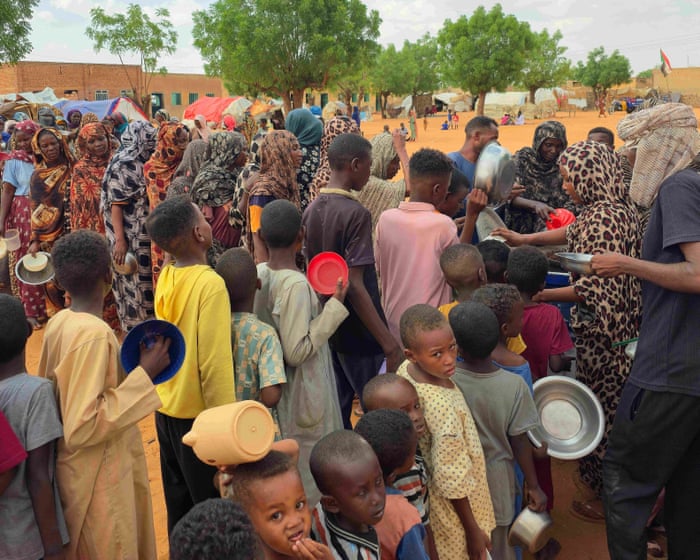
More than 15,000 displaced families have arrived in the Sudanese city of El Obeid since mid-July, adding pressure to an overcrowded refuge where aid workers say food, water and sanitation are increasingly inadequate.
The United Nations reported the new arrivals, while government figures cited by Save the Children indicate that more than 200,000 people had already reached the North Kordofan capital during the first half of 2026. Many of the latest arrivals are women and children fleeing fighting in surrounding rural areas.
Tens of thousands of displaced people are living in two tented camps outside the city. Satellite analysis by Yale's Humanitarian Research Lab identified 800 new tents in one camp between August 4 and August 25, 2026.
Aid organisations reported severe strains on basic services. Water infrastructure damaged in drone strikes has not fully recovered, leaving hospitals and camps reliant on insufficient water deliveries. Médecins Sans Frontières said sanitation provision was extremely limited, with more than 100 people sharing a latrine in some areas.
Food costs have also risen as insecurity disrupts deliveries. World Food Programme data showed the price of a litre of groundnut oil in North Kordofan reached 17,000 Sudanese pounds in July, up from 7,700 a year earlier.
Sudan's war between the armed forces and the Rapid Support Forces began on April 15, 2023. About 11.3 million people have since been displaced nationwide, and parts of North Kordofan, including El Obeid and surrounding areas, face a risk of famine.