
Analysis projects 4.6m tonnes of annual emissions from two planned UK datacentres
Campaign group Foxglove estimates two planned English datacentres could emit about 4.6 million tonnes of carbon dioxide a year at full operation, a projection the UK government disputes.
In short
- Campaign group Foxglove estimates two planned English datacentres could emit about 4.6 million tonnes of carbon dioxide a year at full operation, a projection the UK government disputes.
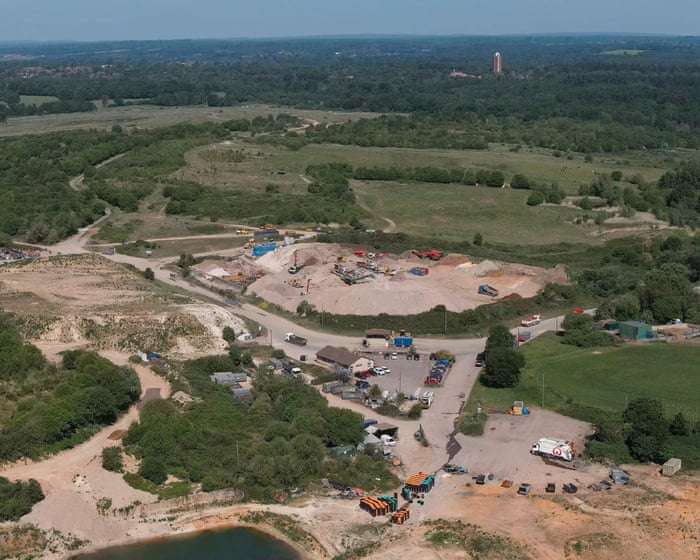
Two planned datacentres in England could together produce about 4.6 million tonnes of carbon emissions a year if they operate at full capacity using proposed on-site gas power, according to an analysis by the non-profit group Foxglove.
The estimate covers the Wapseys Wood project in Buckinghamshire and the Quest Park project in Bedfordshire. Foxglove calculated that the facilities would use a combined 1.3 gigawatts of power and compared their projected annual emissions with ExxonMobil’s reported 3.9 million tonnes of UK emissions in 2023.
The projection is contested. A UK government spokesperson called the figures misleading because they assume both facilities operate at 100% utilisation from the outset. Foxglove said a full-utilisation assumption is standard industry practice, while campaigners argued that datacentres are ultimately designed to increase their load toward capacity.
Both projects are seeking on-site gas-fired generation amid delays in obtaining grid connections. They are also among the first datacentre proposals to be fast-tracked through the UK’s nationally significant infrastructure project process, which shifts decisions from local planning authorities to central government.
The Department for Energy Security and Net Zero said datacentres are important to the economy and that the government plans to support their growth by expanding clean electricity. Wapseys Wood declined to comment to The Guardian, while Quest Park did not respond to its request for comment.
The figures remain a scenario-based projection, not measured operational emissions. The analysis was reported on August 25, 2026.